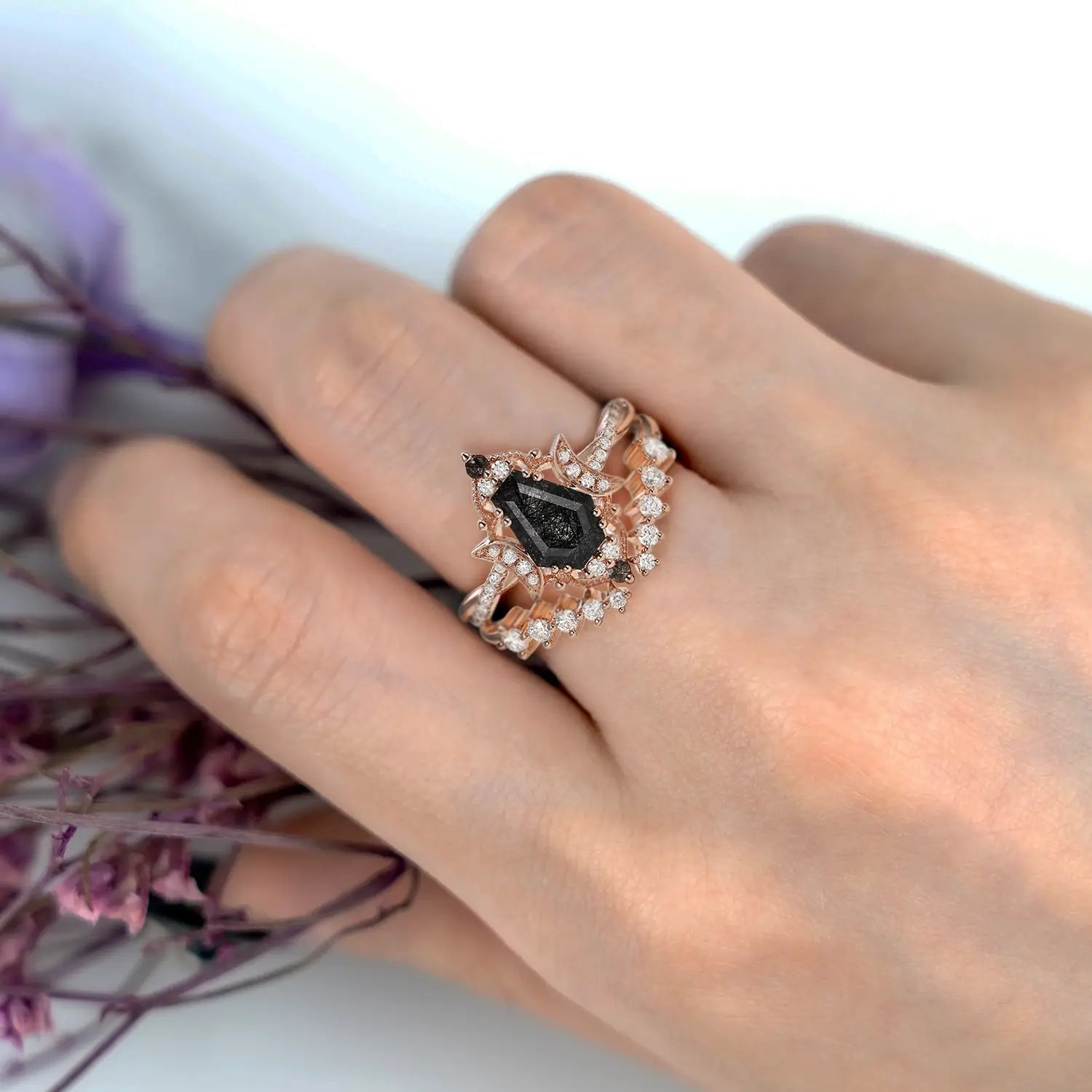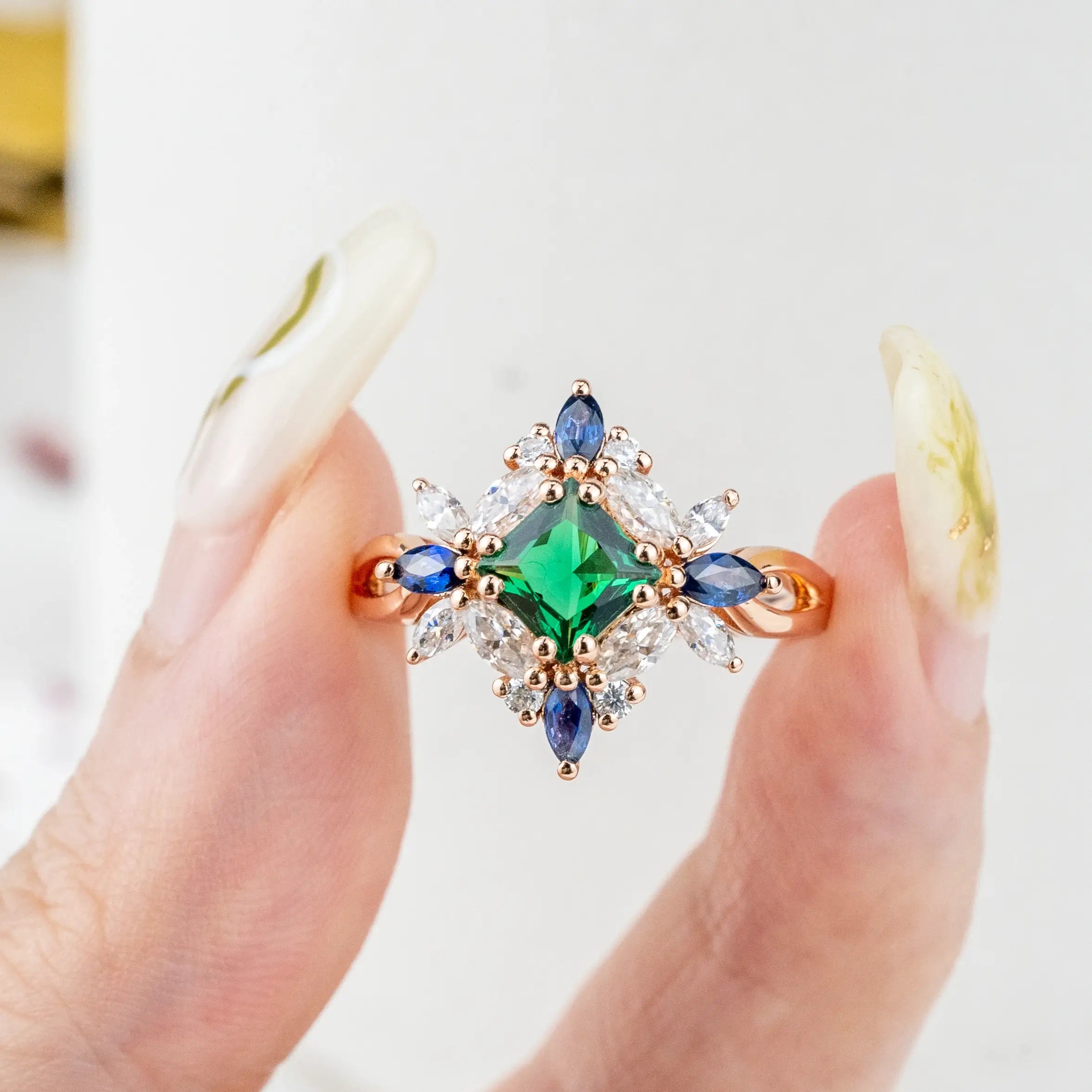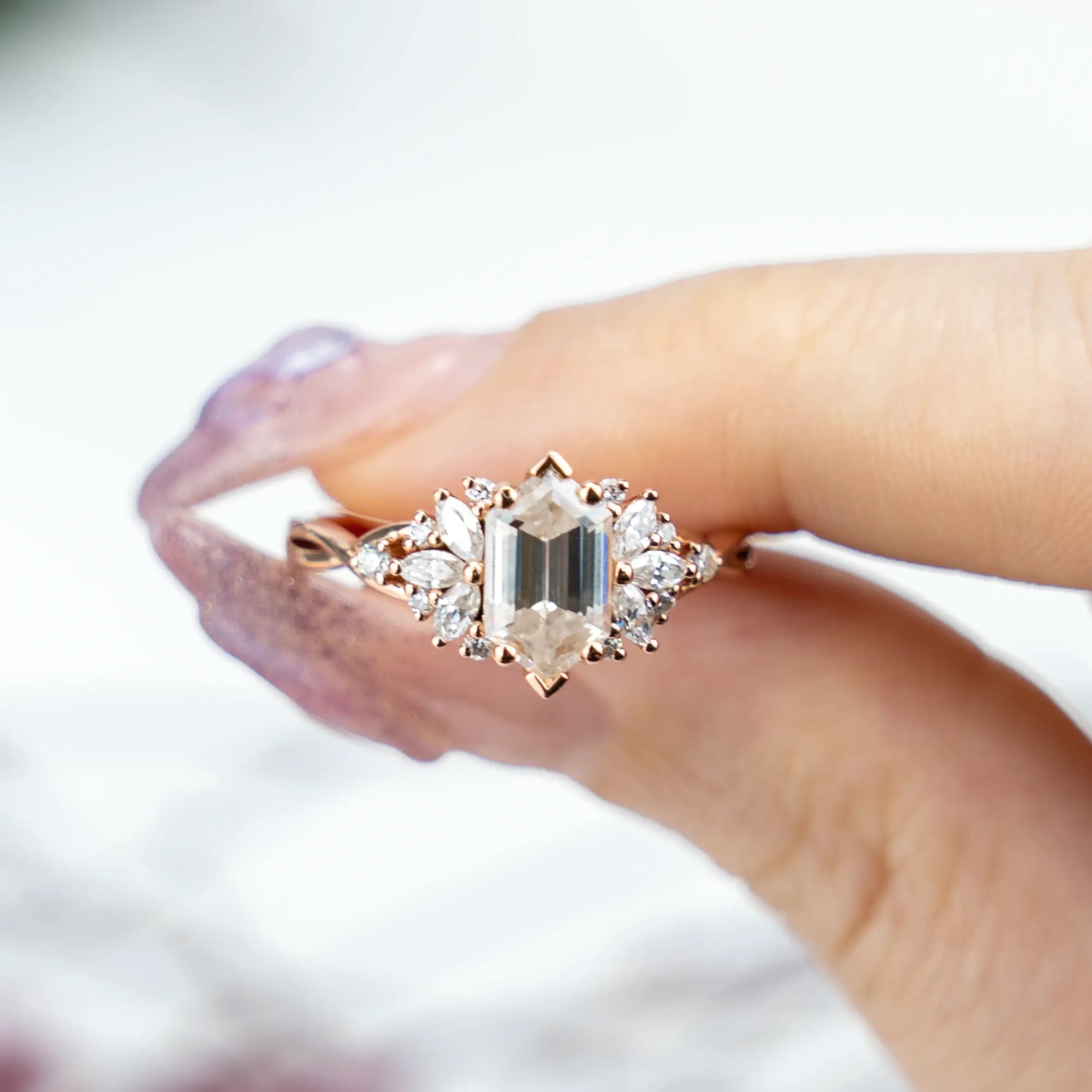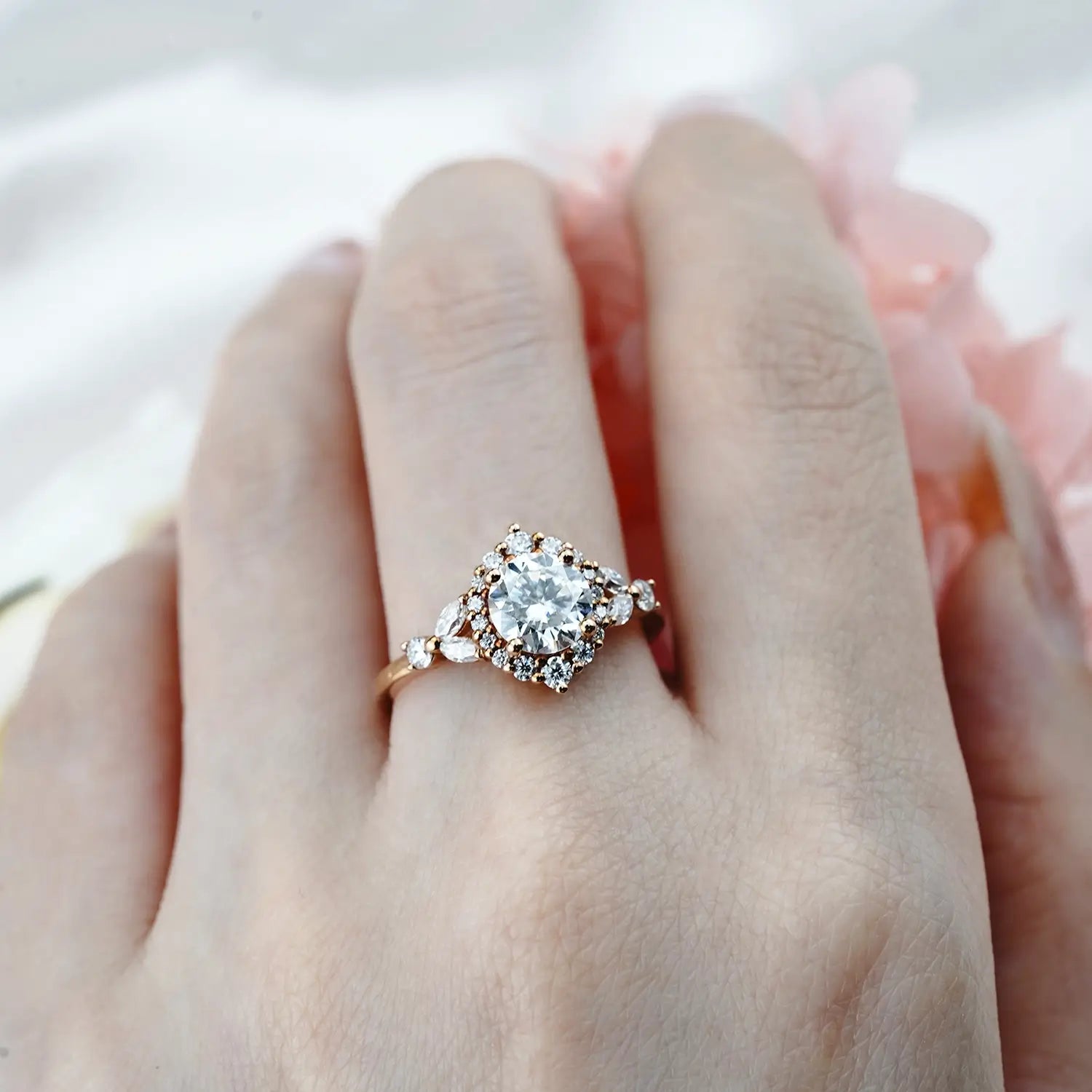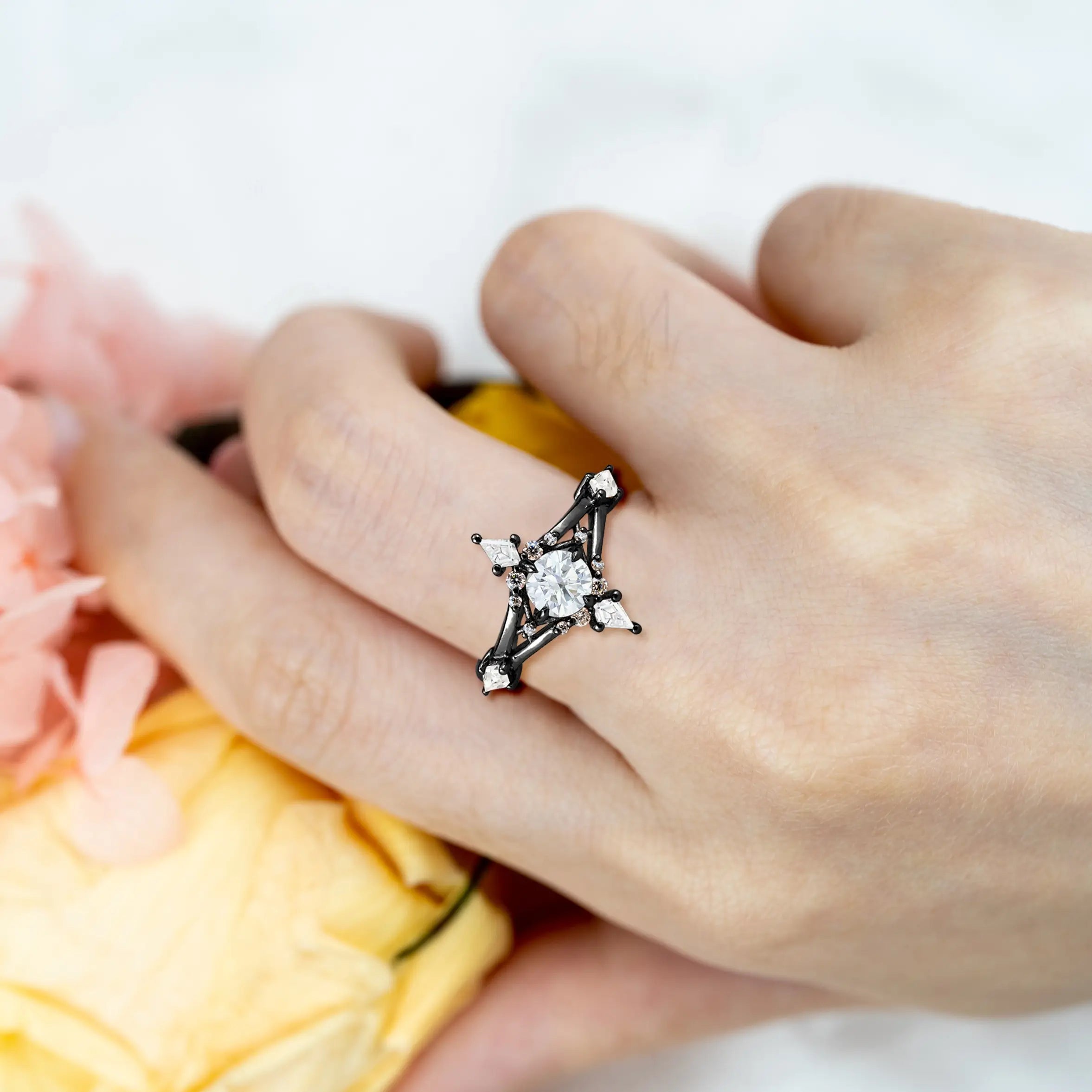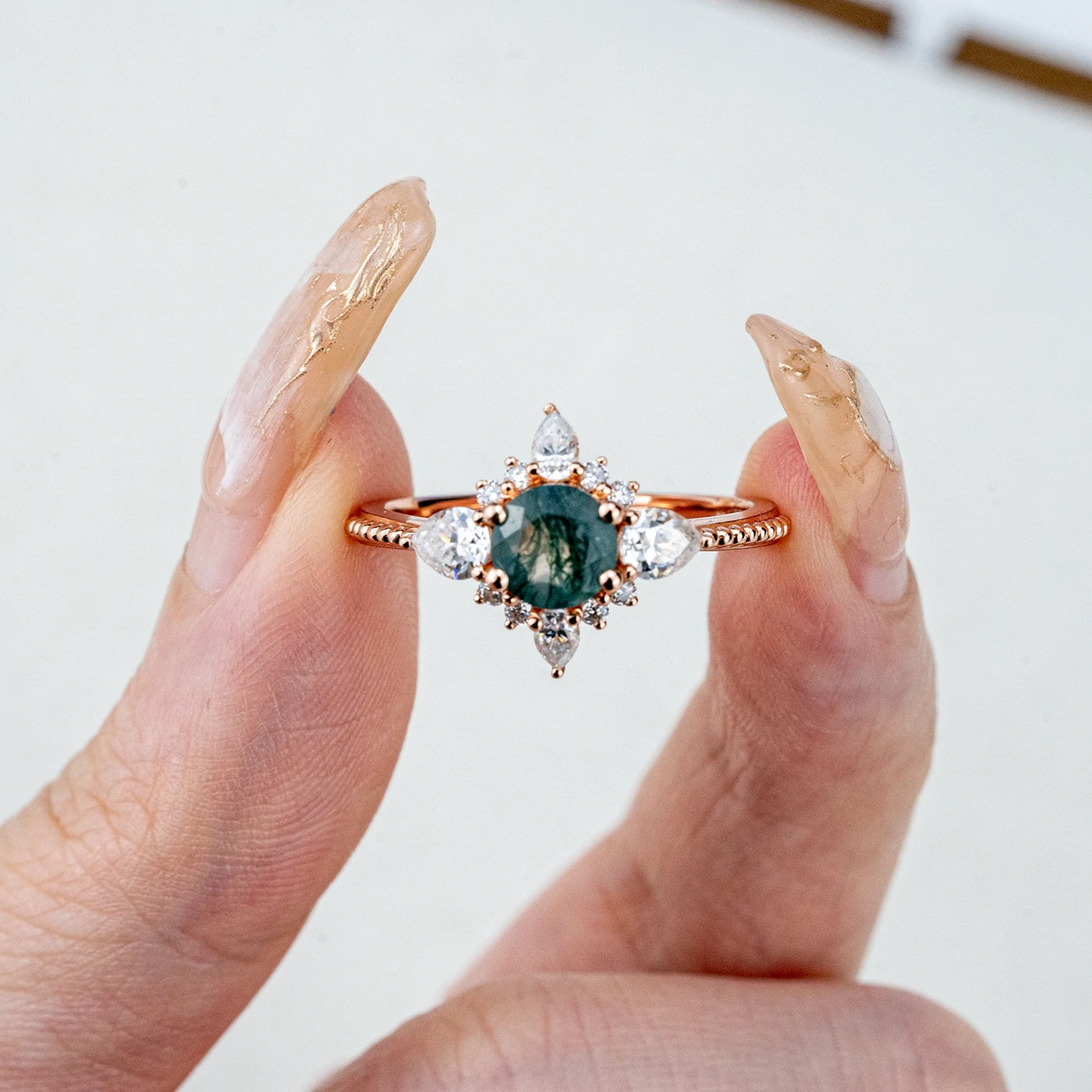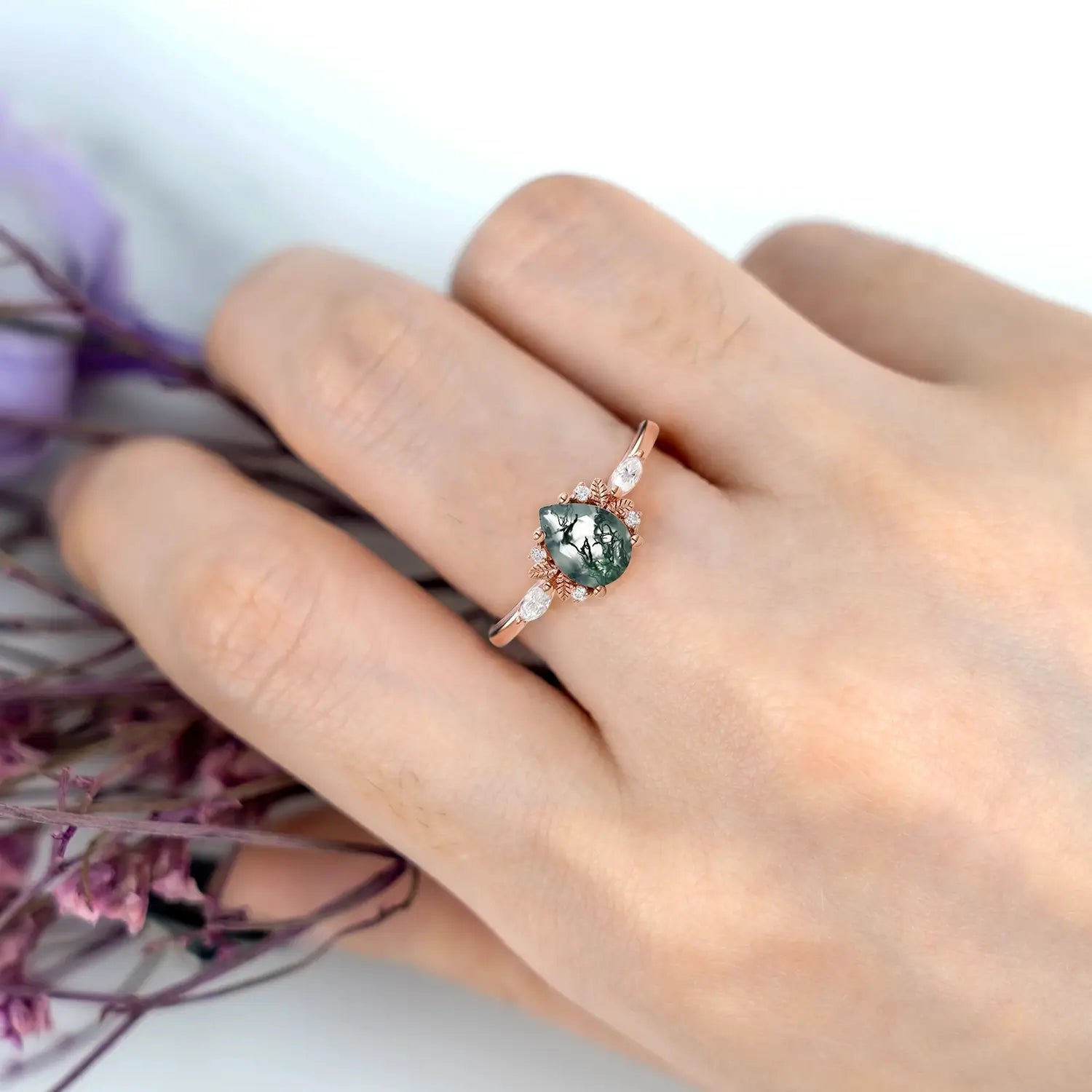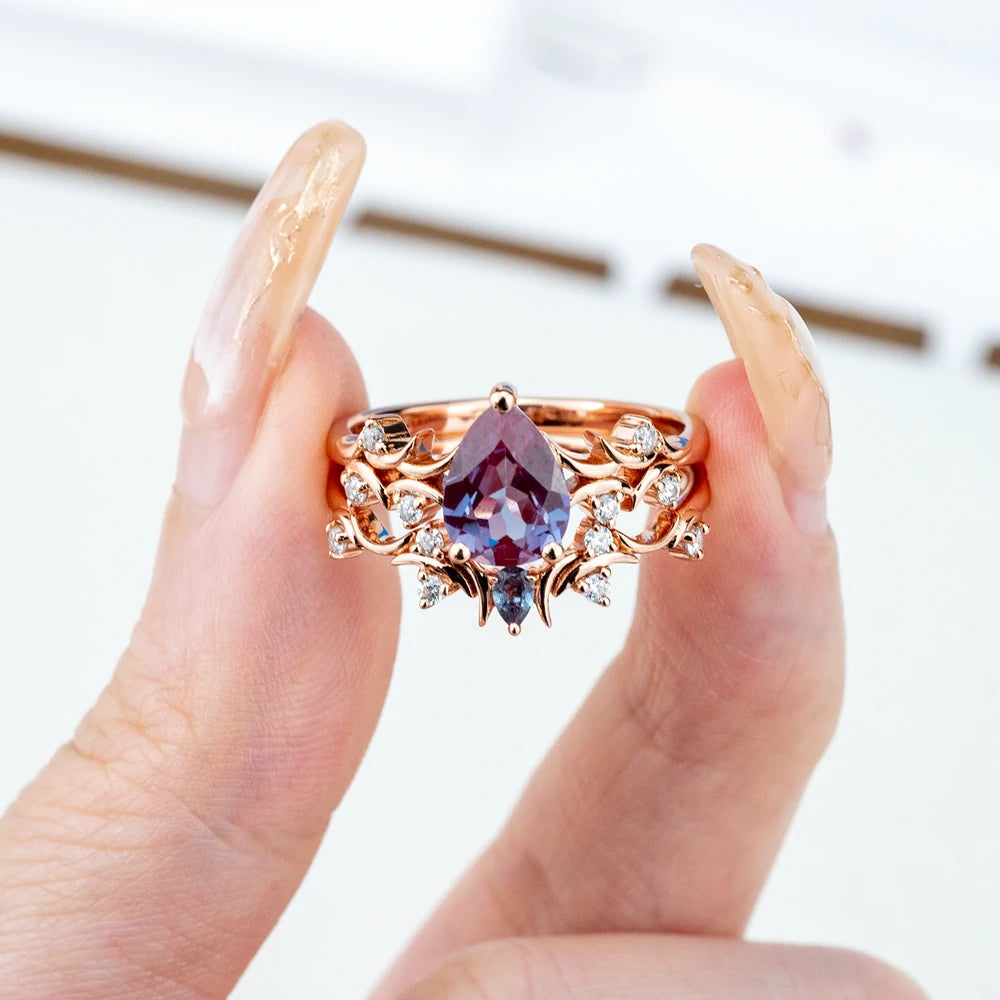
oonstone engagement rings have a quiet kind of magic.
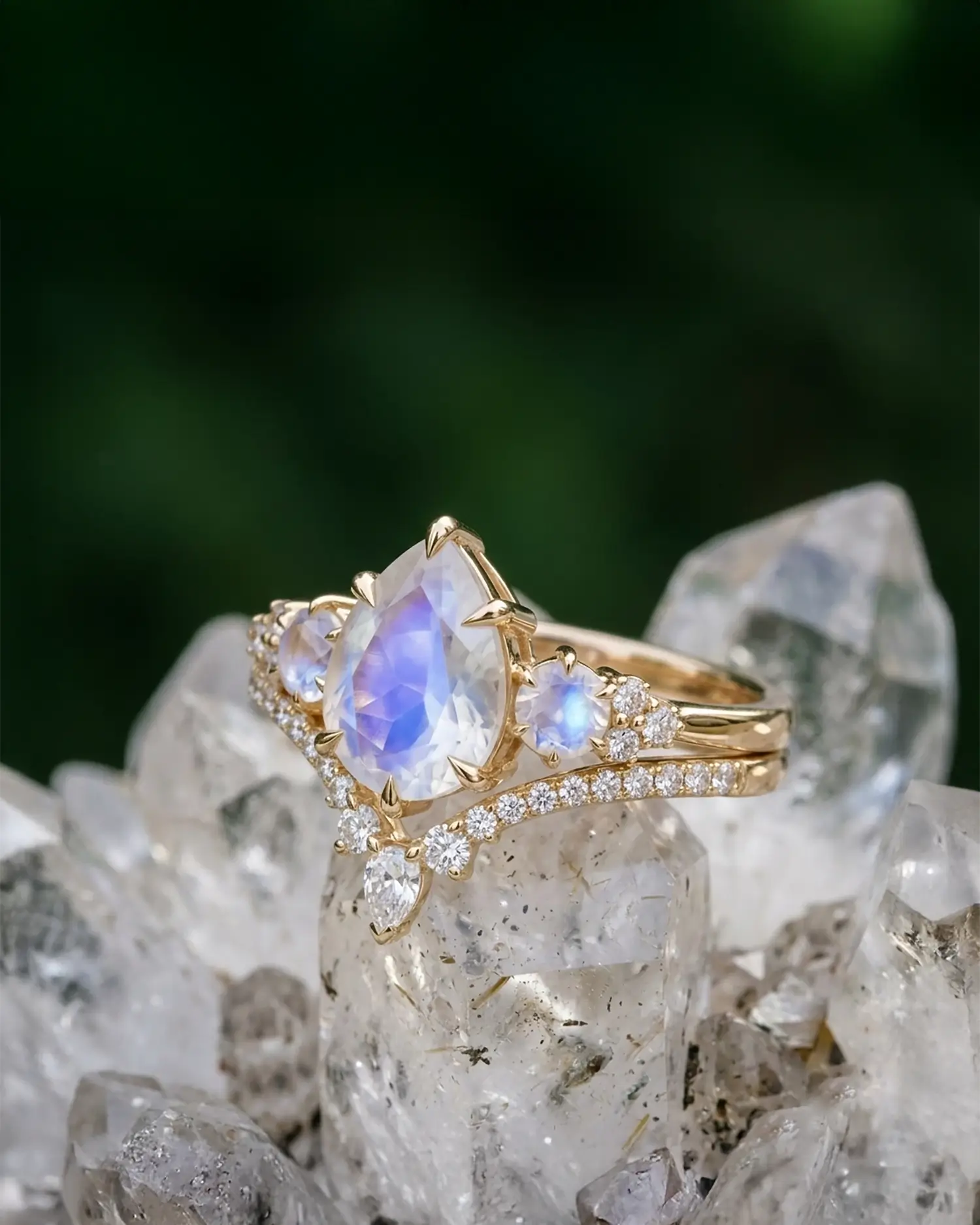
Instead of dazzling brilliance like diamonds, moonstone glows with a soft, shifting light that seems to move beneath the surface of the stone. Many people describe it as moonlight trapped inside a gem — subtle, mysterious, and deeply romantic.
In our experience working with custom engagement rings, moonstone tends to attract couples who want something more poetic than traditional. They aren’t necessarily looking for the biggest sparkle. They want a ring that feels personal, symbolic, and a little bit otherworldly.
But is moonstone actually suitable for an engagement ring?
And what should you know before choosing one?
Let’s walk through everything — from symbolism and durability to real-world design advice.
Quick Overview
Gemstone: Natural Moonstone
Mohs Hardness: 6 – 6.5
Visual Effect: Adularescence (soft floating glow)
Symbolism: Feminine energy, intuition, emotional balance
Birthstone: June
Best Setting: Bezel, halo, or protective prong
Ideal For: Romantic, nature-inspired, and non-traditional engagement rings
What Makes Moonstone So Special?

Moonstone belongs to the feldspar mineral family and is famous for a phenomenon called adularescence.
This optical effect creates a floating light inside the stone — almost like a misty glow moving beneath the surface.
Unlike gemstones that sparkle with sharp reflections, moonstone produces a soft internal sheen, often appearing bluish or milky depending on the angle of light.
Some high-quality moonstones display a vivid blue glow across the entire surface, which collectors often refer to as blue flash moonstone.
That glow is what gives moonstone its dreamlike reputation.
And it’s also why no two stones ever look quite the same.
The Symbolism of Moonstone
Moonstone has been associated with mythology and spirituality for centuries.
Ancient cultures believed it held the power of the moon itself.
Across different traditions, moonstone symbolizes:
-
Nourishing energy
-
Feminine intuition
-
Emotional harmony
-
Romantic connection
-
New beginnings
It’s also known as the June birthstone, which makes it especially meaningful for couples with June anniversaries or birthdays.
In modern jewelry design, moonstone often represents emotional depth and sensitivity — qualities many couples want their engagement ring to reflect.
It’s less about status and more about sentiment.
Are Moonstone Engagement Rings Durable?
This is one of the most common questions we hear from clients.
The honest answer is: moonstone can work for engagement rings, but it requires thoughtful design and care.
Moonstone ranks 6 to 6.5 on the Mohs hardness scale, meaning it’s softer than traditional engagement stones like:
| Gemstone | Mohs Hardness |
|---|---|
| Diamond | 10 |
| Sapphire | 9 |
| Moissanite | 9.25 |
| Moonstone | 6–6.5 |
Because of this, moonstone can scratch more easily if it’s exposed to heavy impact or rough surfaces.
However, with the right setting and mindful wear, many people happily wear moonstone rings every day.
The key is protecting the stone.
Best Settings for Moonstone Engagement Rings

The design of the ring can dramatically affect how well moonstone holds up over time.
In our custom designs, we usually guide clients toward protective settings.
Bezel Setting
A bezel setting surrounds the entire gemstone with metal.
This design protects the edges of the moonstone — the area most vulnerable to chipping.
It’s one of the safest options for everyday wear.
Halo Setting
A halo setting places smaller stones (often diamonds or moissanite) around the center moonstone.
Besides adding sparkle, the halo also acts as a subtle protective frame.
This style is popular for couples who want both softness and brilliance.
Low-Profile Prong Setting
Prong settings can work well if the stone sits low in the ring.
Lower settings reduce the chance of accidental knocks against hard surfaces.
Many vintage-inspired moonstone rings use this approach.
Natural Moonstone vs Rainbow Moonstone
If you’ve been browsing engagement rings, you may have seen two types:
Natural Moonstone
Usually milky white with soft adularescence.
Rainbow Moonstone
Technically a variety of labradorite, often showing vibrant blue flashes and sometimes subtle rainbow tones.
Both can be beautiful in engagement rings.
Many clients gravitate toward rainbow moonstone because its blue flash is more dramatic and visible in different lighting.
But traditional moonstone has a softer, more classic aesthetic.
Choosing between them often comes down to personal taste.
Why Couples Choose Moonstone Engagement Rings

Over the past few years, alternative engagement stones have grown increasingly popular.
Moonstone stands out because it feels emotional and artistic.
Couples often choose moonstone when they want:
-
A non-traditional engagement ring
-
A gemstone with symbolic meaning
-
A nature-inspired design
-
Something distinct from diamond trends
In our experience, moonstone rings often appeal to:
-
Creative personalities
-
Nature lovers
-
Couples drawn to mystical symbolism
-
Brides looking for softer, vintage aesthetics
It’s not about replacing diamonds — it’s about expressing a different kind of beauty.
Pros and Cons of Moonstone Engagement Rings
Advantages
-
Unique glowing appearance
-
Deep symbolic meaning
-
Romantic and vintage aesthetic
-
Usually more affordable than diamonds
-
Every stone looks different
Considerations
-
Softer than traditional engagement gemstones
-
Requires careful design and protection
-
Needs mindful wear in high-impact environments
For many couples, the emotional connection outweighs the practical considerations.
But it’s important to understand both sides before deciding.
Caring for a Moonstone Engagement Ring
Moonstone doesn’t require complicated maintenance, but a few habits can make a big difference.
Helpful care tips:
• Remove the ring during heavy physical activities
• Avoid harsh chemicals and ultrasonic cleaners
• Clean gently with warm water and mild soap
• Store separately to prevent scratches from harder gemstones
A yearly professional inspection is also a good idea — especially if the ring uses prongs.
With proper care, moonstone can remain beautiful for decades.
Frequently Asked Questions
Is moonstone good for engagement rings?
Yes, especially for couples who prefer symbolic or alternative gemstones. Protective settings help improve durability.
Does moonstone glow in the dark?
Not exactly. Moonstone reflects light internally, creating a soft glow called adularescence.
Can moonstone scratch?
Yes, because it ranks 6–6.5 on the Mohs scale. However, careful wear and protective settings reduce risk.
Is moonstone expensive?
Most moonstone is more affordable than diamonds, though high-quality stones with strong blue flash can be more valuable.
Are moonstone engagement rings popular?
They’ve become increasingly popular among couples looking for non-traditional and nature-inspired engagement rings.
Final Thoughts
Moonstone engagement rings aren’t meant to compete with the brilliance of diamonds.
Their beauty is quieter.
It lives in the shifting glow beneath the surface, in the way the stone catches light like mist under moonlight, and in the symbolism of emotional connection and new beginnings.
For couples who want something meaningful, romantic, and a little bit magical, moonstone offers a completely different kind of engagement ring experience.
If you're exploring the idea of a custom moonstone engagement ring, working with experienced jewelers can help you choose the right stone, setting, and structure for everyday wear.
At Orleone, our design team has spent over two decades crafting handmade engagement rings that balance beauty with long-term durability — helping each couple create a ring that truly reflects their story.