
Worldwide Delivery
Carefully packed, fully tracked, and delivered through trusted international carriers.

At Orleone, our jewelry craftsmanship team has over 20 years of experience in custom engagement rings and fine jewelry design. Every sizing recommendation in this guide is based on real-world production standards and customer fitting data.
This guide has been carefully refined to help you avoid the most common sizing mistakes—ensuring your ring feels as perfect as it looks.
If you’re unsure about your ring size, these simple and reliable at-home methods will help you find your ideal fit.
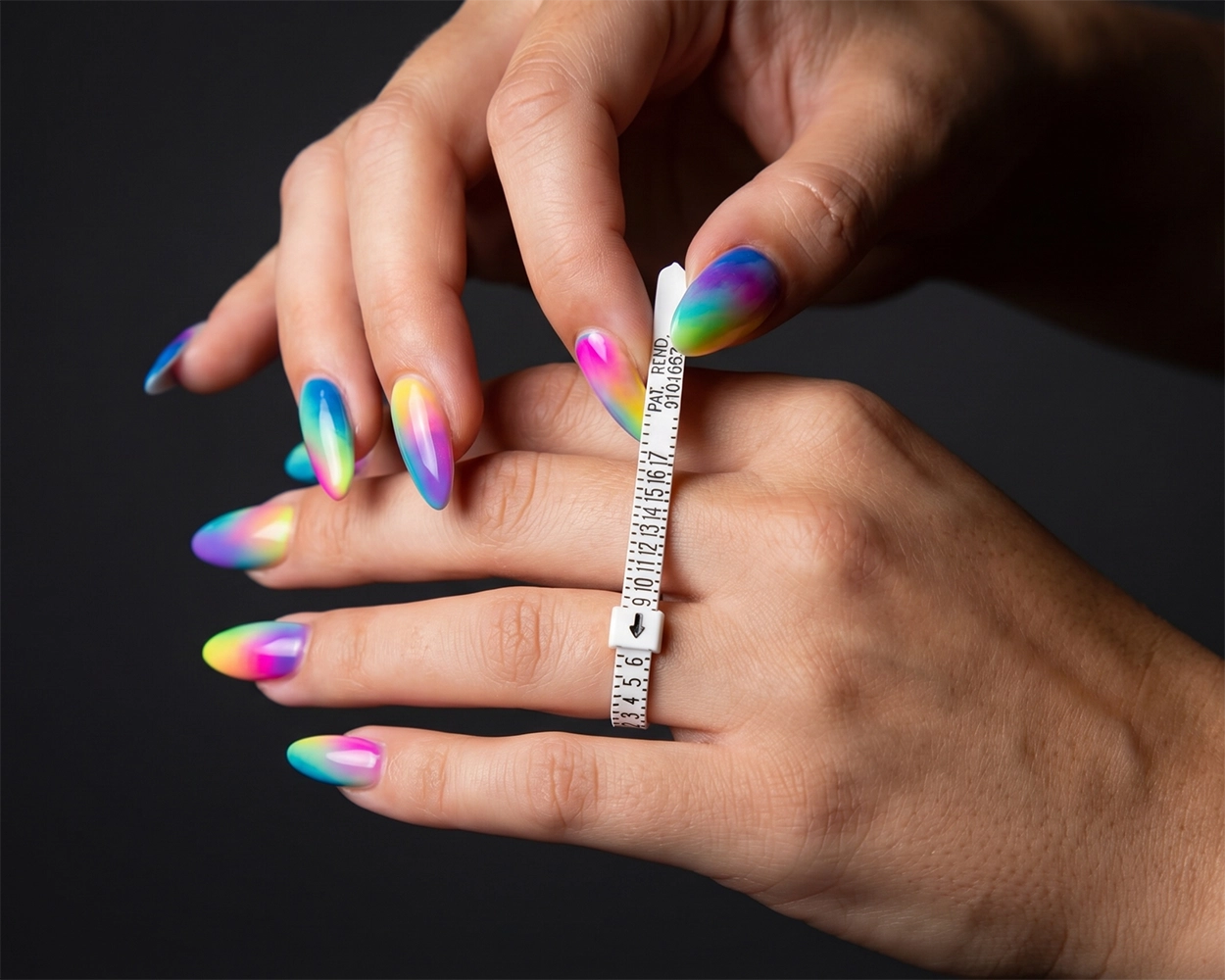
A physical ring sizer is the most accurate and recommended way to measure your ring size at home.
How to use it:
Pro Tip:
If it spins easily or slides off, it’s too loose. If it feels tight or difficult to remove, size up slightly.
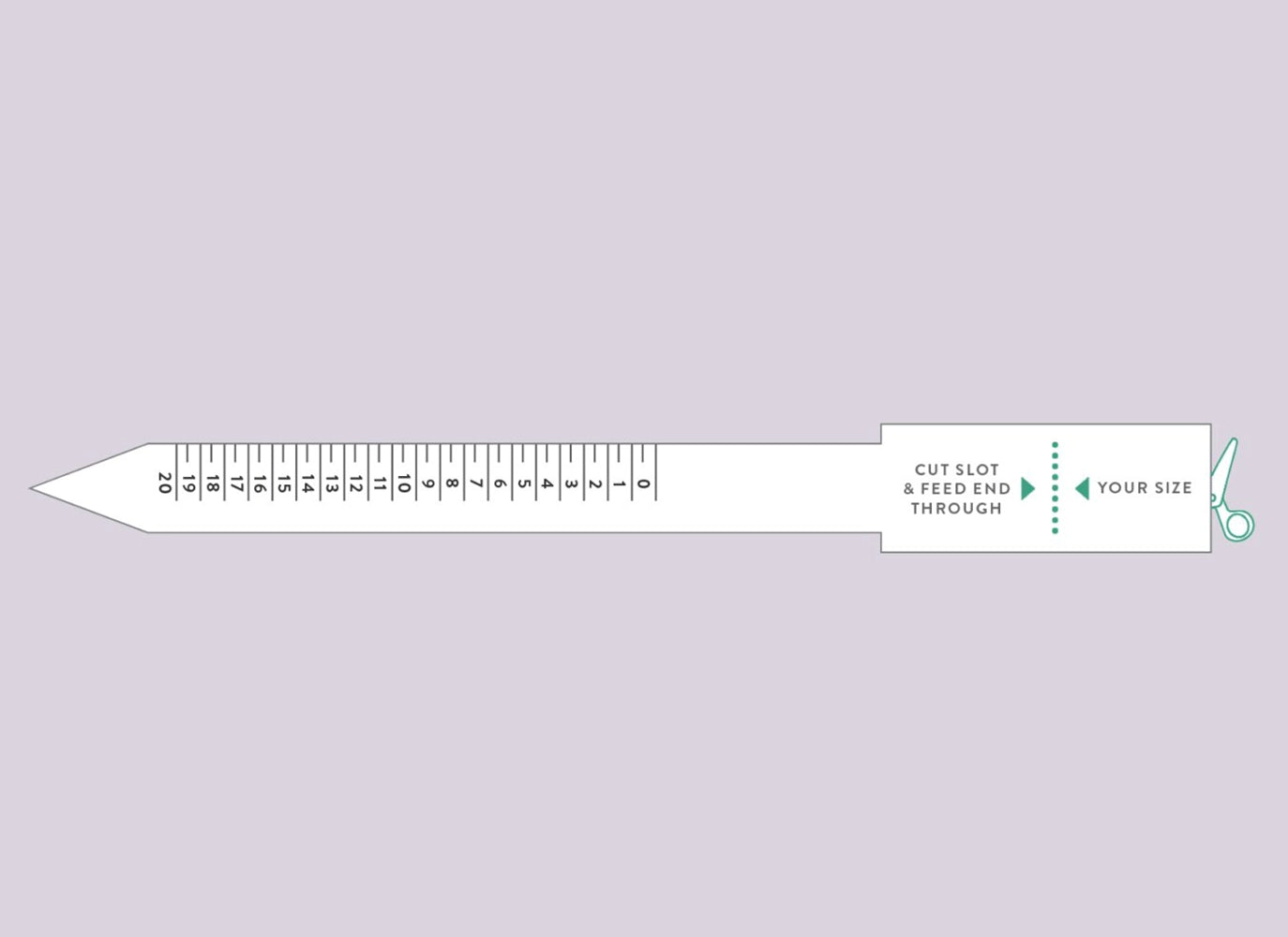
If you need your ring size quickly, a printable ring sizer is a fast and convenient solution.
What you’ll need:
Steps:
Important:
Make sure the paper is printed at actual size—incorrect scaling will lead to inaccurate results.
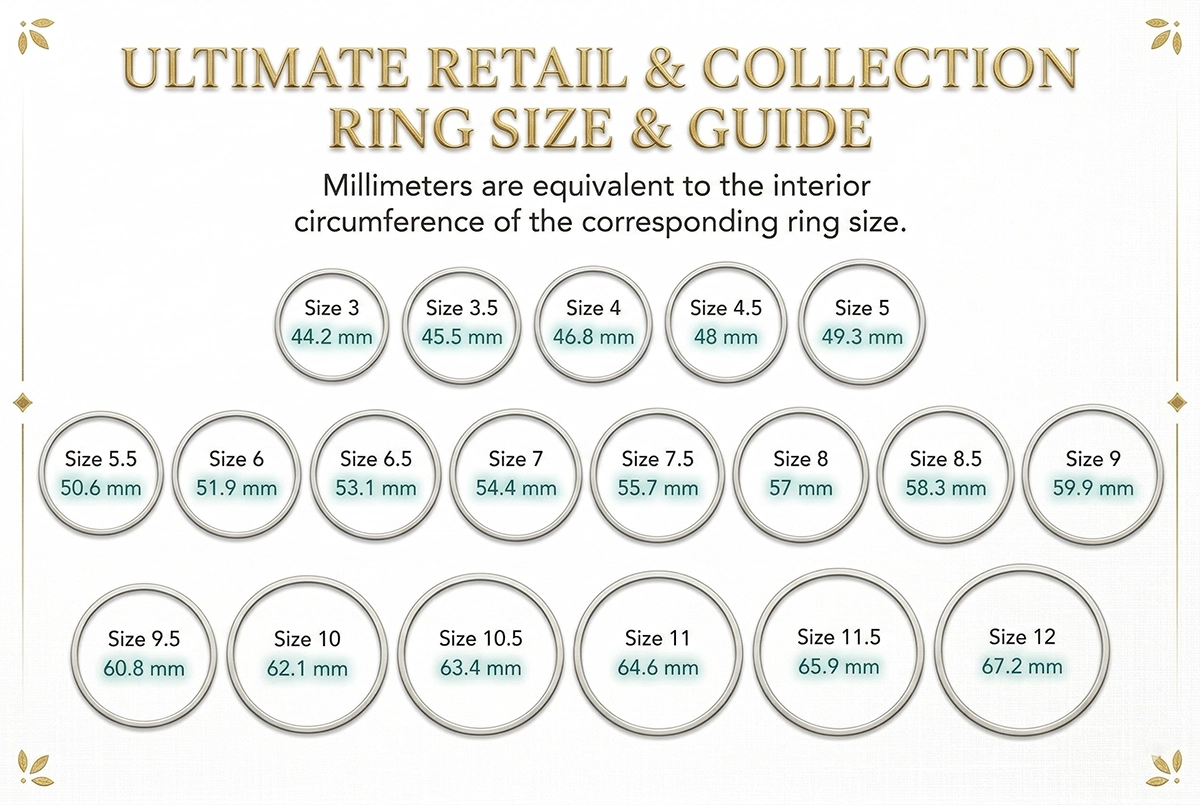
If you already have a ring that fits well, you can easily determine your size using it.
What you’ll need:
Steps:
Pro Tip:
Always measure the inside diameter, not the outside edge.
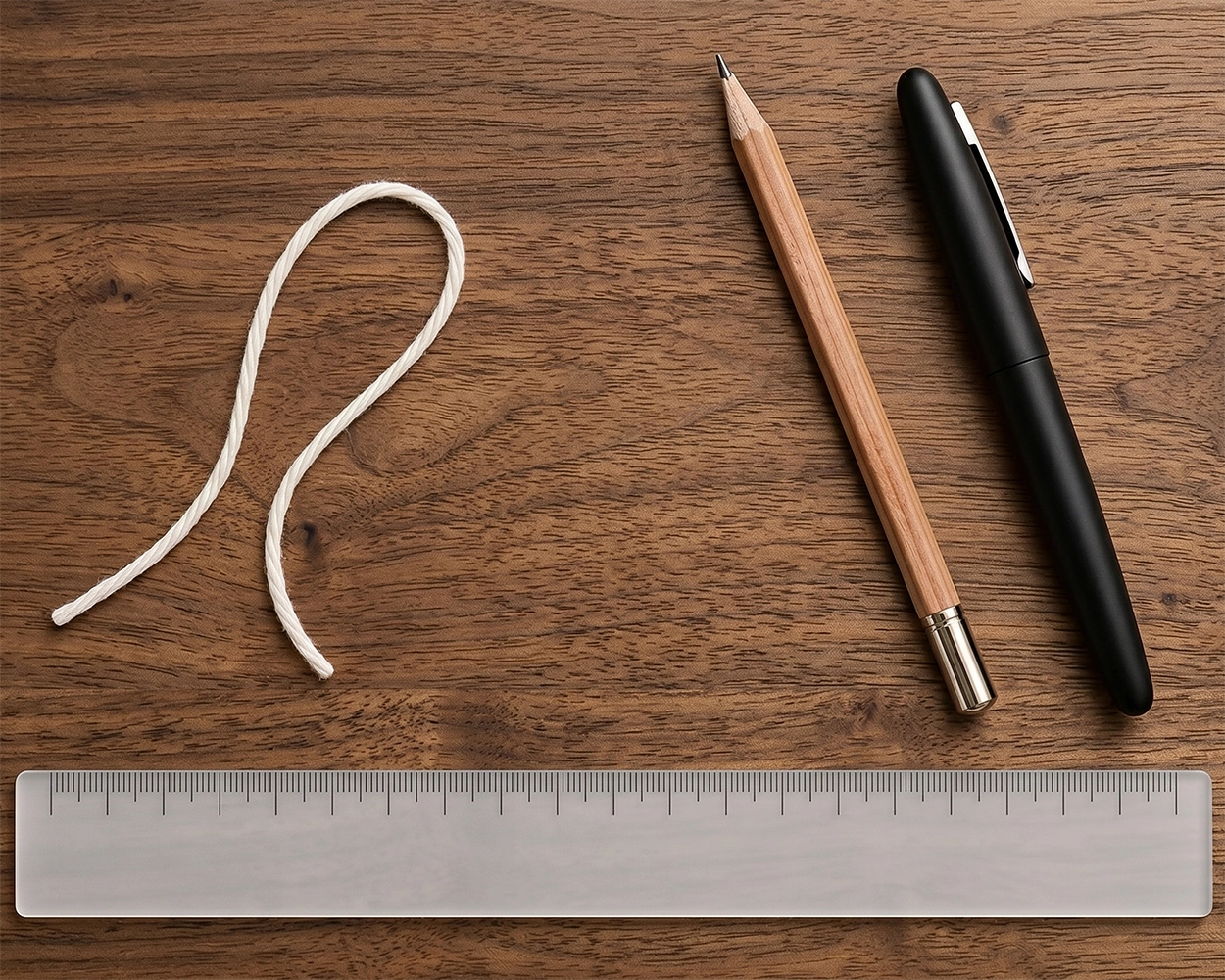
This method measures your finger circumference directly and works with common household items.
What you’ll need:
Steps:
If using string or paper:
Lay it flat and measure carefully with a ruler for accuracy.
Accurate sizing depends on more than just measurement—these expert tips will help you get the best possible fit.
Finger sizes vary between hands. Always measure the exact finger where the ring will be worn—your dominant hand is usually slightly larger.
Wider bands fit tighter than thin ones.
Fingers expand in heat and shrink in cold.
Measure when your hands are at a normal room temperature for best accuracy.
Your fingers naturally swell throughout the day.
The best time to measure is afternoon or evening, when your fingers are at their largest.
If your knuckle is larger than the base of your finger:
This ensures the ring slides on easily but stays secure.
Take measurements 2–3 times at different moments to get a reliable average.
If you’re between sizes, always choose the larger one.
It’s easier to resize a ring down than up.
Once you’ve found your size, you’re ready to explore designs that fit beautifully and comfortably.
You can measure your ring size at home using a ring sizer, printable size chart, a ring you already own, or a string/tape measure. For the most accurate result, we recommend using a physical ring sizer or measuring multiple times and comparing results.
The most accurate method is using a professional ring sizer tool, as it closely replicates how a real ring fits. If that’s not available, measuring an existing ring that fits well is the next best option.
Yes, you can use string, floss, paper, or a flexible tape measure. Wrap it around your finger, mark the overlap, and measure the length with a ruler. Then compare it to a ring size chart for your size.
A ring should feel snug but comfortable. It should slide over your knuckle with slight resistance and sit securely on your finger without feeling tight or cutting off circulation.
Yes, finger size naturally fluctuates due to temperature, hydration, and activity. Fingers are usually larger in the evening, so measuring later in the day gives a more accurate size.
If you are between sizes, it’s generally recommended to size up. A slightly larger ring is more comfortable and easier to resize than one that is too tight.
Yes. Wider bands (over 4mm) tend to feel tighter, so you may need to size up slightly. Thinner bands usually fit true to size or slightly looser.
You can discreetly borrow a ring they already wear and measure it, or ask friends/family for help. If unsure, choose an average size (US 6–7 for women) and opt for a ring that can be resized later.
THE ORLEONE PROMISE
From first sketch to final polish, every Orleone ring is shaped with intention and supported with considered care.

Carefully packed, fully tracked, and delivered through trusted international carriers.
One year of support for eligible workmanship issues.
Carefully selected, responsibly sourced stones and metals.
Protected payments through trusted global providers.