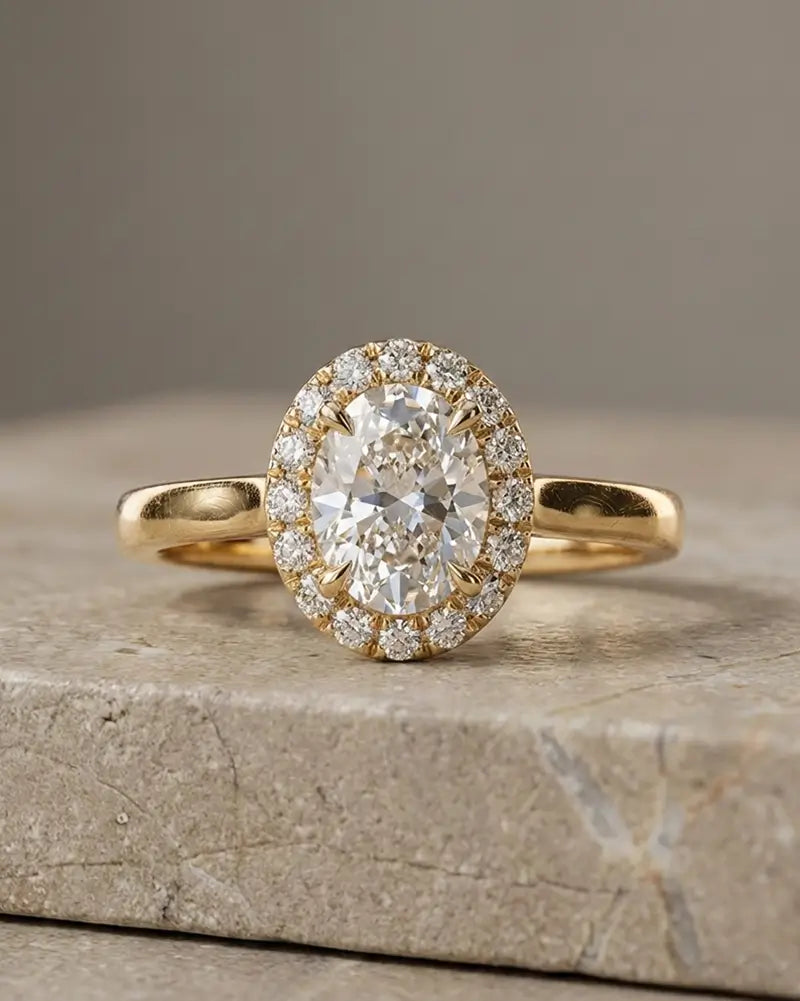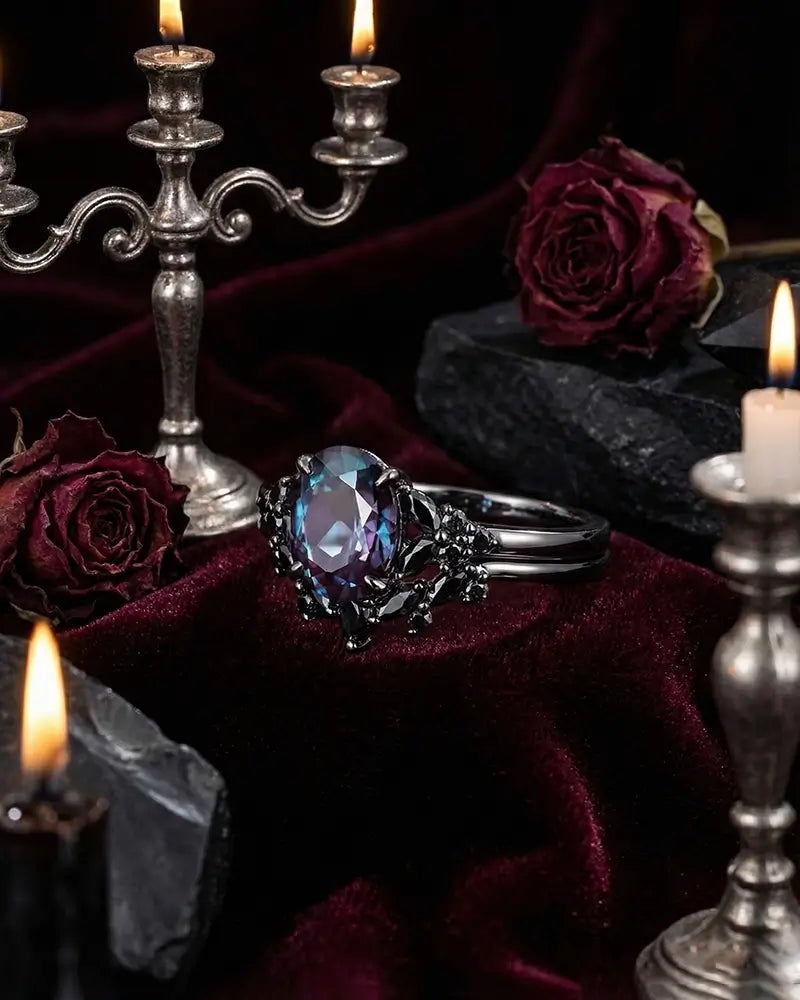

Quick answer: Promise rings, engagement rings, wedding rings, and eternity rings mark different relationship moments. A promise ring expresses commitment before engagement, an engagement ring marks the proposal, a wedding ring is exchanged during marriage, and an eternity ring usually celebrates lasting love after the wedding.
This guide explains the meaning, timing, and practical differences between each ring so shoppers can choose the right piece without feeling locked into outdated rules.
If a friend who’s about to get engaged asked you:
“Do I really need all these rings people talk about?”
The honest answer is: there’s tradition, but there are no hard rules.
The four ring tradition — promise ring, engagement ring, wedding ring, and eternity ring — is simply a way people mark different stages of commitment. It didn’t appear overnight, and it doesn’t have to be followed perfectly. What matters is understanding what each ring means, so you can decide what actually fits your relationship.
Why Rings Matter at All (Quick Context, No History Lecture)
Rings have symbolized commitment for thousands of years mainly because of their shape — a circle has no beginning and no end. That idea of continuity, forever, and staying connected is why rings became tied to love and marriage across cultures.
Over time, Western traditions separated rings into different stages, which is how we ended up with the four-ring framework used today.
The Four Rings, Explained Clearly
1. Promise Ring — Early Commitment Without Pressure
A promise ring is usually the first ring in the journey, though not everyone chooses to have one.

It typically means:
-
We’re exclusive
-
We’re serious about each other
-
We see a future, even if marriage isn’t happening yet
Promise rings became popular in modern dating culture as a way to express commitment before engagement, especially for younger couples, long‑distance relationships, or situations where timing or finances make engagement impractical.
Common designs:
-
Simple gold or silver bands
-
Small gemstones (often birthstones)
-
Infinity symbols, hearts, or subtle engravings
How it’s worn: often on the right hand to avoid confusion with engagement rings, but there’s no strict rule.
2. Engagement Ring — A Clear Intention to Marry

An engagement ring represents a decision, not just a feeling.
It means:
We intend to get married.
Historically, engagement rings existed long before diamonds became the standard. Diamonds rose to dominance mainly due to 20th‑century marketing, not because they were the original or only meaningful choice.
Today, engagement rings commonly feature:
-
Diamond or lab‑grown diamond
-
Moissanite (popular for brilliance and value)
-
Sapphire, emerald, ruby
-
Moss agate and other nature‑inspired stones
These alternatives are now widely accepted and often chosen for ethical, aesthetic, or personal reasons.
Design styles:
-
Solitaire engagement rings
-
Halo and vintage‑inspired rings
-
Nature‑inspired designs with leaves or vines
-
Custom engagement rings tailored to personal stories
How it’s worn: traditionally on the left hand ring finger.
3. Wedding Ring — The Symbol of Marriage Itself

The wedding ring is the most essential ring in the tradition.
It is exchanged during the wedding ceremony and symbolizes:
-
Marriage vows
-
Lifelong partnership
-
Shared commitment
Unlike engagement rings, wedding rings are designed for everyday wear.
Popular wedding band styles include:
-
Plain gold or platinum bands
-
Comfort‑fit bands
-
Pavé diamond wedding bands
-
Matching wedding bands or intentionally mismatched designs
Some couples prefer coordinated sets, while others choose rings that reflect individual style. Both approaches are completely valid.
4. Eternity Ring — Celebrating What You’ve Built

An eternity ring usually comes later and is not tied to a specific rule or timeline.
It’s often given to mark:
-
Major anniversaries
-
The birth of a child
-
Vow renewals
-
Important milestones in a long‑term marriage
Traditionally, eternity rings feature a continuous or half‑circle line of gemstones, symbolizing love that has no end.
Types of eternity rings:
-
Full eternity rings (stones around the entire band)
-
Half eternity rings (stones on the top half for comfort and resizing)
Diamonds are common, but many couples choose sapphires, moissanite, or mixed gemstones for a more personal touch.
Four Ring Tradition at a Glance
| Ring Type | When It’s Given | What It Represents |
|---|---|---|
| Promise Ring | Early relationship | Commitment without engagement |
| Engagement Ring | Proposal | Intention to marry |
| Wedding Ring | Wedding ceremony | Marriage vows |
| Eternity Ring | After marriage | Enduring love and milestones |
Do You Actually Need All Four Rings?
No — and most couples don’t follow the tradition perfectly.
In real life:
-
Many skip promise rings
-
Some never receive an eternity ring
-
Some prefer one meaningful ring instead of several
-
Others design custom rings that don’t fit into one category
Traditions are meant to guide, not pressure.
Stones, Ethics, and Modern Choices
Modern couples often care as much about values as appearance.
Popular considerations include:
-
Lab‑grown diamonds vs mined diamonds
-
Moissanite for durability and affordability
-
Recycled gold and ethical sourcing
-
Birthstones or symbolic gemstones
Choosing alternative stones doesn’t make a ring less meaningful — for many couples, it makes it more meaningful.
Final Thought
Rings don’t define the relationship — they mark moments within it.
Whether you follow the four ring tradition exactly, loosely, or not at all, the right choice is the one that feels authentic to you.
If a ring reflects your story, your values, and your future together, then it’s doing its job — no matter what tradition says.