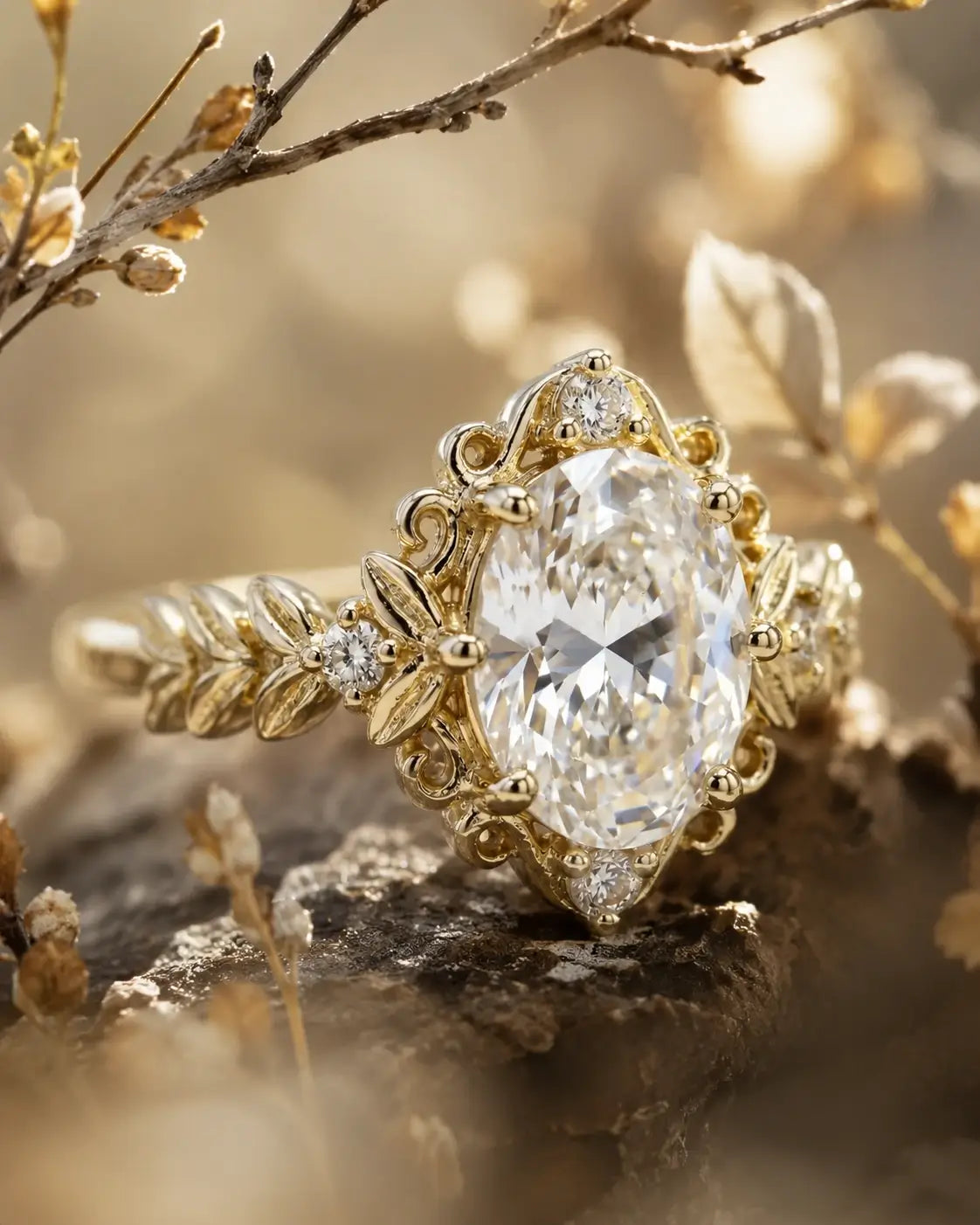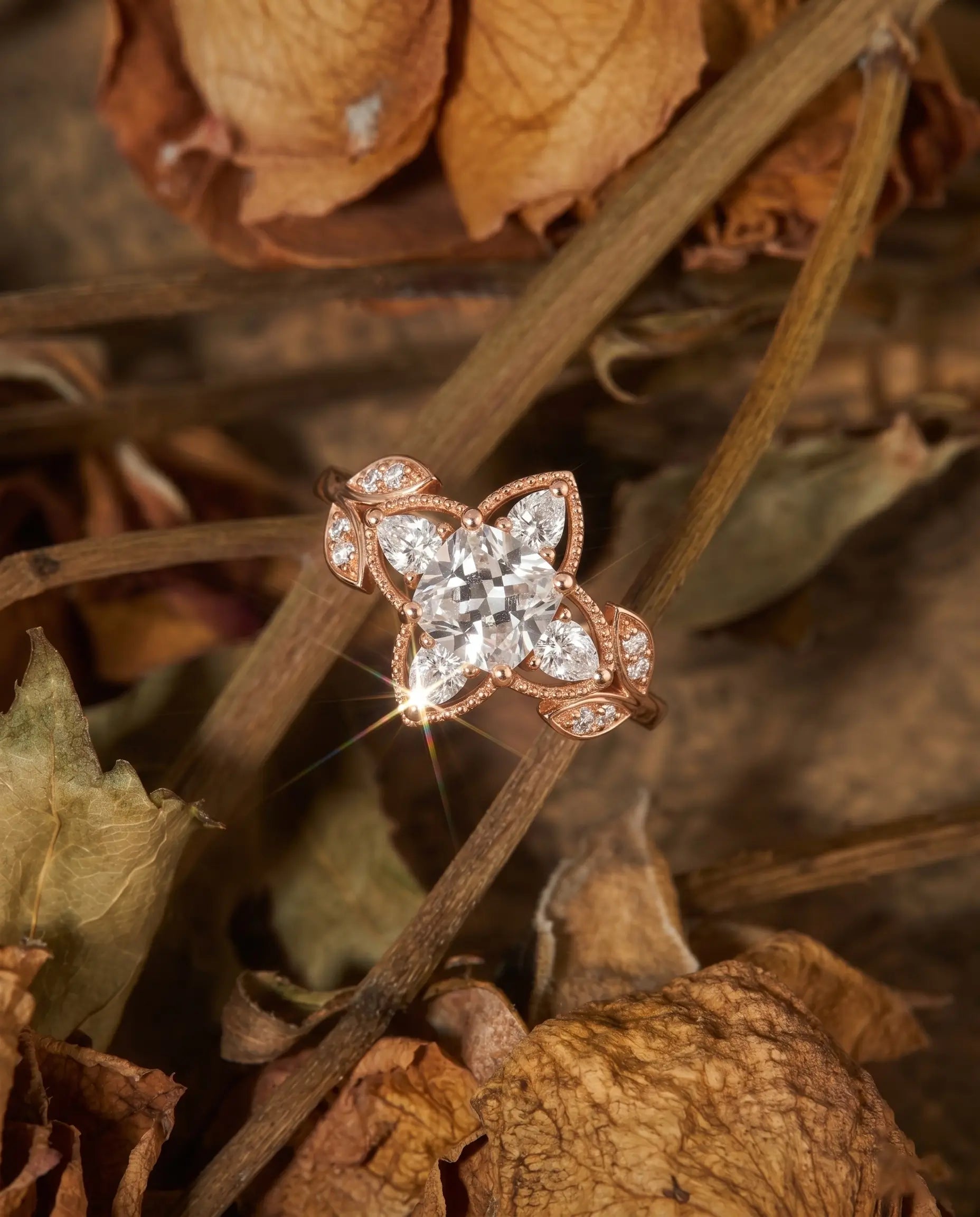
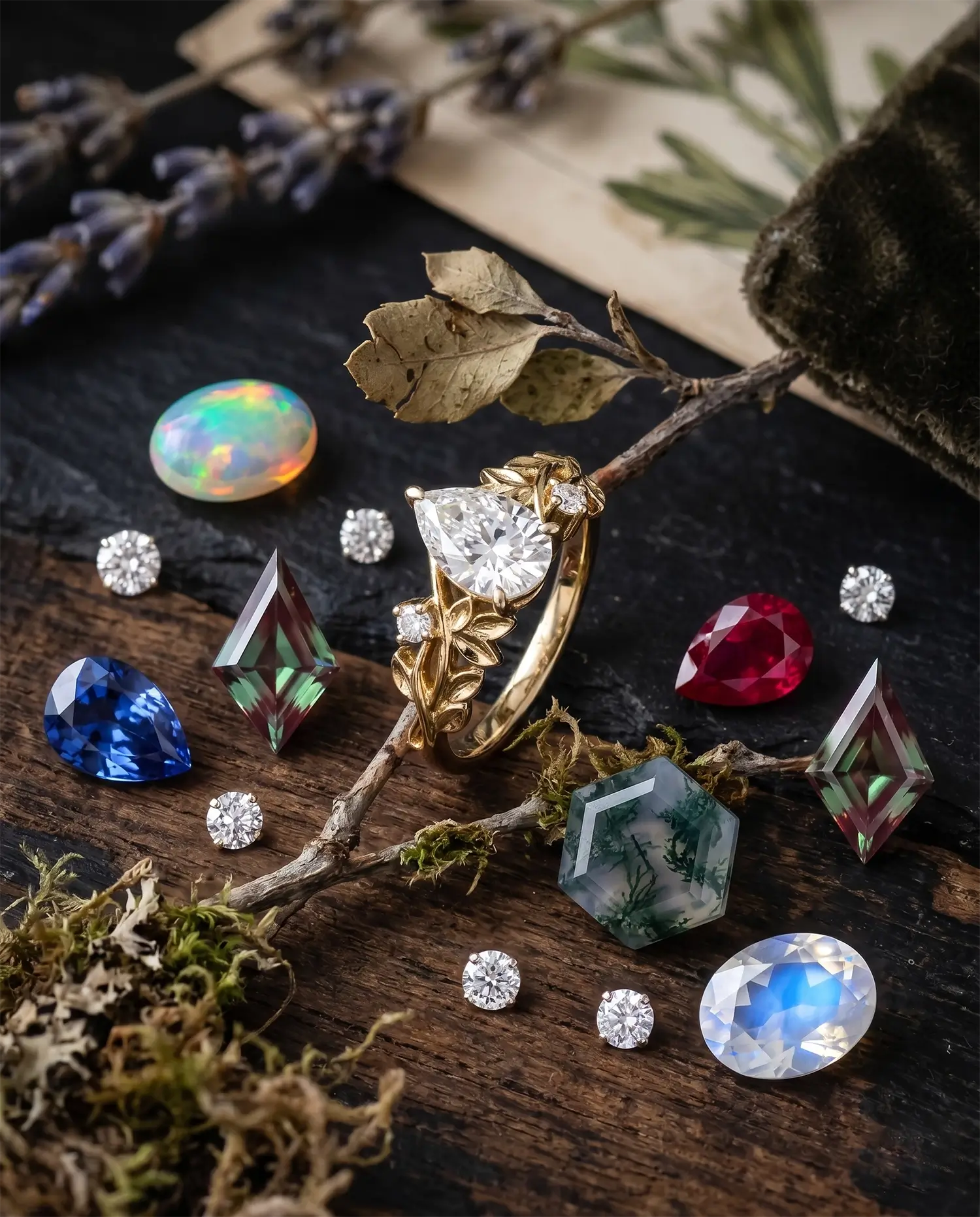
Not every engagement ring is designed for real-world daily wear.
For people with active or hands-on lifestyles, durability becomes just as important as beauty. Whether you work in healthcare, fitness, design, hospitality, education, travel, outdoor industries, or simply use your hands constantly throughout the day, certain engagement ring styles can become frustrating surprisingly quickly.

Many buyers discover common problems only after wearing a ring daily:
- Scratched gemstones after a few months
- Loose side stones from repeated impact
- Thin bands bending over time
- Prongs catching on clothing or gloves
- Gemstones chipping at vulnerable corners
- High-profile rings constantly hitting surfaces
- Delicate pavé settings losing stones
Modern social media trends often prioritize extremely thin bands, oversized center stones, and delicate hidden structures that photograph beautifully but may not hold up well in physically active lifestyles.
A durable engagement ring is not only about gemstone hardness. Long-term wearability depends on a combination of:
- Gemstone durability
- Protective setting design
- Structural craftsmanship
- Metal strength
- Lifestyle compatibility
According to durability principles referenced by the Gemological Institute of America (GIA), a gemstone’s suitability for everyday wear involves more than scratch resistance alone. Toughness, stability, setting protection, and structural engineering all play critical roles in long-term performance.
This guide explains which gemstones and ring settings work best for active lifestyles, helping buyers choose rings that remain beautiful, secure, and comfortable for years of daily wear.
What Actually Makes an Engagement Ring Durable?
Hardness vs Toughness vs Stability
One of the biggest misconceptions in jewelry is assuming that gemstone hardness alone determines durability.
In reality, gemstone durability has three separate components:
| Factor | Meaning | Why It Matters |
|---|---|---|
| Hardness | Resistance to scratching | Helps maintain surface polish over time |
| Toughness | Resistance to breaking or chipping | Important for impact protection |
| Stability | Resistance to heat, chemicals, dryness, or sunlight | Affects long-term appearance and integrity |
For example, diamond is the hardest gemstone, but certain cuts with sharp corners can still chip under strong impact.
Similarly, softer gemstones like opal or moonstone may scratch or crack more easily even if worn carefully.
This is why professional jewelers evaluate engagement rings based on overall wearability rather than hardness alone.
Best Gemstones for Active Lifestyles

Moissanite: One of the Best Overall Choices
Moissanite has become one of the most practical gemstones for modern engagement rings because it balances brilliance, durability, and affordability extremely well.
With a Mohs hardness rating of approximately 9.25, moissanite is highly resistant to scratching and suitable for long-term daily wear.
Advantages of moissanite for active lifestyles include:
- Excellent scratch resistance
- Strong heat resistance
- High brilliance and fire
- Lower replacement cost compared to diamond
- Good long-term structural stability
- Excellent for travel and daily wear
Many buyers worry that moissanite becomes cloudy over time. Properly manufactured moissanite does not permanently cloud under normal wear conditions. Most temporary dullness comes from oil buildup and can be cleaned easily.
Moissanite is especially practical for people who want a durable engagement ring without constantly worrying about damage.
Diamond (Natural & Lab-Grown)
Diamond remains the hardest gemstone used in jewelry with a Mohs hardness rating of 10.
Both natural and lab-grown diamonds have the same physical durability because they share the same crystal structure.
However, hardness does not guarantee immunity to damage. Sharp corners on shapes such as pear, princess, and marquise cuts can still chip if struck forcefully.
Diamonds are best suited for:
- Traditional engagement ring buyers
- Maximum scratch resistance
- Long-term heirloom jewelry
For highly active lifestyles, protective settings remain important even with diamond rings.
Sapphire (Natural & Lab Sapphire)
Sapphire belongs to the corundum mineral family and ranks 9 on the Mohs hardness scale.
It is widely considered one of the safest colored gemstones for engagement rings.
Sapphires have historically been used in royal jewelry because of their durability and timeless appearance.
Popular options include:
- Blue sapphire
- White sapphire
- Pink sapphire
- Lab-created sapphire
Lab sapphires offer the same physical durability while often improving clarity and affordability.
Sapphire engagement rings are ideal for buyers wanting both color and long-term practicality.
Ruby
Ruby is another corundum gemstone, sharing the same hardness level as sapphire.
Because of its excellent toughness and scratch resistance, ruby works extremely well for everyday wear.
Its deep red color has long symbolized passion, confidence, and strength.
Alexandrite
Alexandrite is known for its remarkable color-changing effect, shifting between greenish-blue and reddish-purple depending on lighting conditions.
Natural alexandrite is rare and expensive, while lab-created alexandrite offers better accessibility with excellent durability for engagement rings.
With good hardness and wear resistance, alexandrite works well for buyers seeking something unique but still practical for daily life.
Gemstones That Require More Care
Moss Agate
Moss agate has become increasingly popular because of its organic, nature-inspired appearance.
However, it is softer than gemstones like sapphire or moissanite and may develop scratches over time with heavy daily wear.
Protective settings and mindful wear habits are strongly recommended.
Moonstone
Moonstone is admired for its soft glow and ethereal appearance, but it ranks lower on the hardness scale and is more vulnerable to scratching and surface wear.
It is better suited for occasional wear or carefully protected settings.
Opal
Opal is one of the most visually unique gemstones because of its play-of-color effect, but it also requires the most maintenance.
Opals are sensitive to:
- Dry environments
- Strong impacts
- Rapid temperature changes
- Chemical exposure
Hydrophane opals can also absorb moisture, potentially affecting appearance temporarily.
For active lifestyles, opal engagement rings generally require extra caution.
Emerald
Emeralds often contain natural inclusions that can increase fracture risk under impact.
While emerald engagement rings are luxurious and timeless, they benefit greatly from protective settings such as halos or bezels.
Best Engagement Ring Settings for Active Lifestyles
Bezel Settings
Bezel settings surround the gemstone with a protective metal rim, making them one of the safest and most secure setting styles available.
Advantages include:
- Reduced chipping risk
- Lower snagging on clothing
- Better protection for gemstone edges
- Ideal for travel and active wear
Low Profile Settings
Lower-profile engagement rings reduce the chance of hitting hard surfaces throughout the day.
They are especially practical for:
- Healthcare workers
- Glove users
- Fitness lifestyles
- Hands-on careers
Secure Prong Designs
Prong design affects both security and durability.
Examples include:
- 6-prong settings for round stones
- V-prongs for pear and marquise cuts
- Thicker prongs for larger center stones
Delicate micro-prongs may look refined visually but often require more maintenance long term.
Why Thin Bands Can Become a Problem
Ultra-thin bands have become extremely trendy online, but structurally they are more vulnerable to:
- Bending
- Warping
- Stone loosening
- Metal fatigue
For active wearers, balanced structural thickness is usually a safer long-term choice.
Best Gemstone Shapes for Active Wear
Round Cut
Round cuts are generally the safest because they have no sharp corners that can chip easily.
Oval Cut
Oval cuts offer elegant finger coverage while maintaining relatively good durability.
Cushion Cut
Cushion cuts feature softened edges that reduce impact vulnerability.
Emerald Cut
Emerald cuts appear sophisticated but their corners require proper protection.
Pear & Marquise Cuts
These elongated shapes require protective V-prongs because pointed tips are more vulnerable to impact.
Recommended Engagement Rings for Active Lifestyles

Vintag Bezel Set Round Moissanite Ring
$890

Oval Blue Sapphire Twisted Cluster Ring
$920

2.0ct Lab Diamond Solitaire Engagement Ring
$2,100

Vintage Oval Moissanite Leaf Engagement Ring
$890

Oval Moss Agate Vintage Halo Ring
$930

Pear Alexandrite Bridal Set Vintage
$1,390
Quick Comparison Table
| Gemstone | Hardness | Scratch Resistance | Maintenance Level | Best For |
|---|---|---|---|---|
| Moissanite | 9.25 | Excellent | Low | Everyday active wear |
| Diamond | 10 | Excellent | Low | Traditional luxury |
| Sapphire | 9 | Excellent | Low | Colored durability |
| Ruby | 9 | Excellent | Low | Bold statement rings |
| Alexandrite | 8.5 | Very Good | Moderate | Unique engagement rings |
| Moss Agate | 6.5–7 | Moderate | Moderate | Nature-inspired styles |
| Opal | 5.5–6.5 | Lower | High | Occasional careful wear |
Frequently Asked Questions
What is the best gemstone for active lifestyles?
Moissanite, sapphire, diamond, and ruby are among the best choices because of their high durability and strong resistance to everyday wear.
Is moissanite durable enough for daily wear?
Yes. Moissanite is highly scratch resistant and suitable for long-term daily use.
Are bezel settings safer than prongs?
Generally yes. Bezel settings provide more edge protection and reduce snagging risk.
Can engagement rings be worn to the gym?
While durable rings can tolerate active lifestyles, removing rings during heavy lifting or impact sports is still recommended.
Which gemstone chips the easiest?
Pointed gemstones and softer materials like opal or moonstone are more vulnerable to impact damage.
Is platinum better than gold for durability?
Platinum is denser and highly durable, especially for prong longevity, while 14k gold often offers better scratch resistance than 18k gold.
How often should engagement rings be inspected?
Professionally inspecting prongs and settings once or twice a year is recommended for active wearers.
What ring styles snag less on clothing?
Low-profile bezel rings and smoother settings generally snag less during daily activities.
Final Thoughts
The best gemstone engagement ring for an active lifestyle is not necessarily the most delicate or trend-driven design. True long-term beauty comes from choosing a ring that balances durability, comfort, practicality, and personal style.
For everyday wear, gemstone hardness alone is not enough. Secure settings, structural craftsmanship, metal durability, and thoughtful design all contribute to how well a ring performs over time.
A well-designed engagement ring should not only look beautiful in photos — it should also remain comfortable, secure, and dependable throughout real daily life.