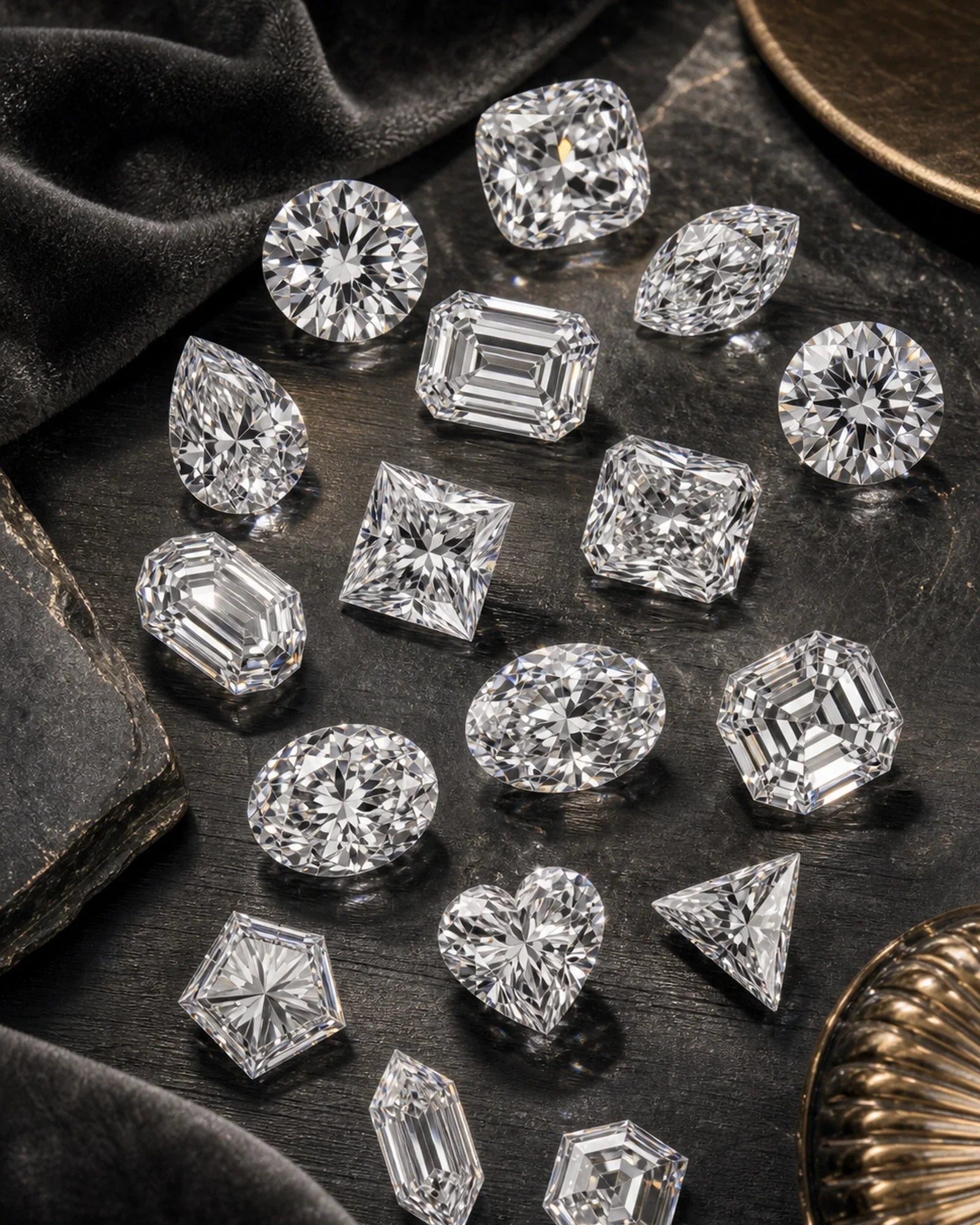

Puoi innamorarti di una gemma prima ancora di sapere qualcosa di pratico su di essa. Il colore sembra giusto. La luminosità sembra personale. Forse è uno smeraldo verde intenso, un'agata muschiata vaporosa, un opale da sogno o una perla dall'aspetto morbido che i diamanti non hanno mai. Poi arriva la domanda utile: posso davvero indossarlo tutti i giorni?
Questa domanda non è poco romantica. È una delle domande più sensate da porsi prima di scegliere un anello di fidanzamento. Un anello vive sulla parte più attiva del corpo. Tocca borse, chiavi, scrivanie, maniglie, acqua, lozioni, maglioni, pentole, attrezzi da palestra e tutto ciò che la vita quotidiana riserva alle mani. Alcune gemme gestiscono quel ritmo magnificamente. Alcune possono gestirlo con abitudini attente. Altre sono meglio trattate come anelli occasionali, pezzi da rotazione o gioielli per occasioni speciali.
Questa guida è scritta per l'acquirente che pensa: "Amo questa pietra, ma me ne pentirò?" La risposta dipende da tre cose: la gemma stessa, la montatura che la protegge e le abitudini di chi la indossa.

Prima cosa: la durezza non è tutto
La maggior parte delle discussioni sulla resistenza inizia con la scala di durezza Mohs. È utile, ma è solo una parte del quadro. La durezza descrive la resistenza ai graffi. Non descrive completamente la tenacità, la sfaldatura, la fragilità, le inclusioni esistenti, i trattamenti, la sensibilità al calore o quanto la pietra sia esposta nella montatura.
Ecco perché due pietre con valori di durezza simili possono comportarsi diversamente negli anelli. Lo smeraldo, ad esempio, è più duro di quanto molti pensino, ma le sue inclusioni naturali e i comuni trattamenti di riempimento delle fratture lo rendono una pietra che richiede più cura del rubino o dello zaffiro. La guida alla cura dello smeraldo del GIA è utile perché separa la durezza dalla tenacità e dal rischio di pulizia, che è esattamente la distinzione di cui gli acquirenti hanno bisogno.
Livello 1: ideale per uso quotidiano ad alta frequenza
Diamante, zaffiro, rubino e moissanite sono le scelte più sicure per chi desidera un anello da indossare spesso con poche regole speciali. Ciò non significa che siano indistruttibili. I griffe possono ancora allentarsi, il pavé può ancora perdere pietre e qualsiasi anello dovrebbe essere rimosso per lavori pesanti. Ma queste gemme sono le candidate più resistenti per l'uso quotidiano in questa lista.
Diamante
Il diamante è la gemma più dura comunemente usata negli anelli di fidanzamento, il che lo rende altamente resistente ai graffi. Questo è uno dei motivi per cui è diventato lo standard per i gioielli nuziali da indossare tutti i giorni. La principale precauzione è che la durezza non rende un diamante immune da scheggiature, specialmente agli angoli vivi, ai bordi della cintura o ai punti esposti. Una montatura bassa, griffe sicure o una montatura a castone possono comunque fare la differenza.
Zaffiro e rubino
Zaffiro e rubino sono entrambi corindone e sono eccellenti per gli anelli di tutti i giorni. Lo zaffiro blu è la classica alternativa al diamante, mentre il rubino offre colore con una resistenza pratica simile. Queste pietre sono particolarmente interessanti per gli acquirenti che desiderano colore senza doversi preoccupare di ogni maniglia o manica di maglione.
Se desideri colore e durata nello stesso anello, gli anelli di fidanzamento con zaffiro e gli stili con rubino sono tra i punti di partenza più logici. Possono essere romantici, vintage, minimali o audaci senza richiedere la stessa cautela delle gemme più tenere.
Moissanite
La moissanite è anche molto adatta per un uso frequente. È molto resistente ai graffi, brillante e generalmente più economica del diamante. Ha più fuoco arcobaleno del diamante, cosa che alcuni amano e altri trovano troppo vivace. Da un punto di vista pratico, tuttavia, gli anelli di fidanzamento in moissanite sono una delle scelte più robuste per la brillantezza quotidiana.
Livello 2: belli per l'uso quotidiano, ma con cautela
Smeraldo, agata muschiata e acquamarina si trovano nella zona intermedia. Queste pietre possono essere indossate in anelli di fidanzamento, ma sono più adatte a persone disposte ad adottare alcune abitudini: togliere l'anello per le faccende domestiche, evitare prodotti chimici aggressivi, scegliere montature protettive e accettare che la pietra non è pensata per essere trattata come un diamante.
Smeraldo
Lo smeraldo è la classica gemma del "lo amo, ma è troppo fragile?". Il suo colore verde è ineguagliabile e può apparire incredibilmente elegante in montature di ispirazione antica, alone, bezel o a tre pietre. Ma molti smeraldi presentano inclusioni e molti smeraldi naturali vengono trattati con oli o resine per migliorarne l'aspetto. Calore, prodotti chimici, vapore e pulizia a ultrasuoni possono creare problemi.
Ciò non rende lo smeraldo una brutta pietra per un anello di fidanzamento. Significa che l'anello deve essere progettato e indossato con cura. Aloni protettivi, bordi bezel, profili bassi e griffe lisce possono aiutare. Lo smeraldo si adatta anche a chi è a proprio agio nel togliersi l'anello prima di pulire, fare giardinaggio, allenamenti, cucinare, viaggiare e qualsiasi attività che rischi urti.

Agata muschiata
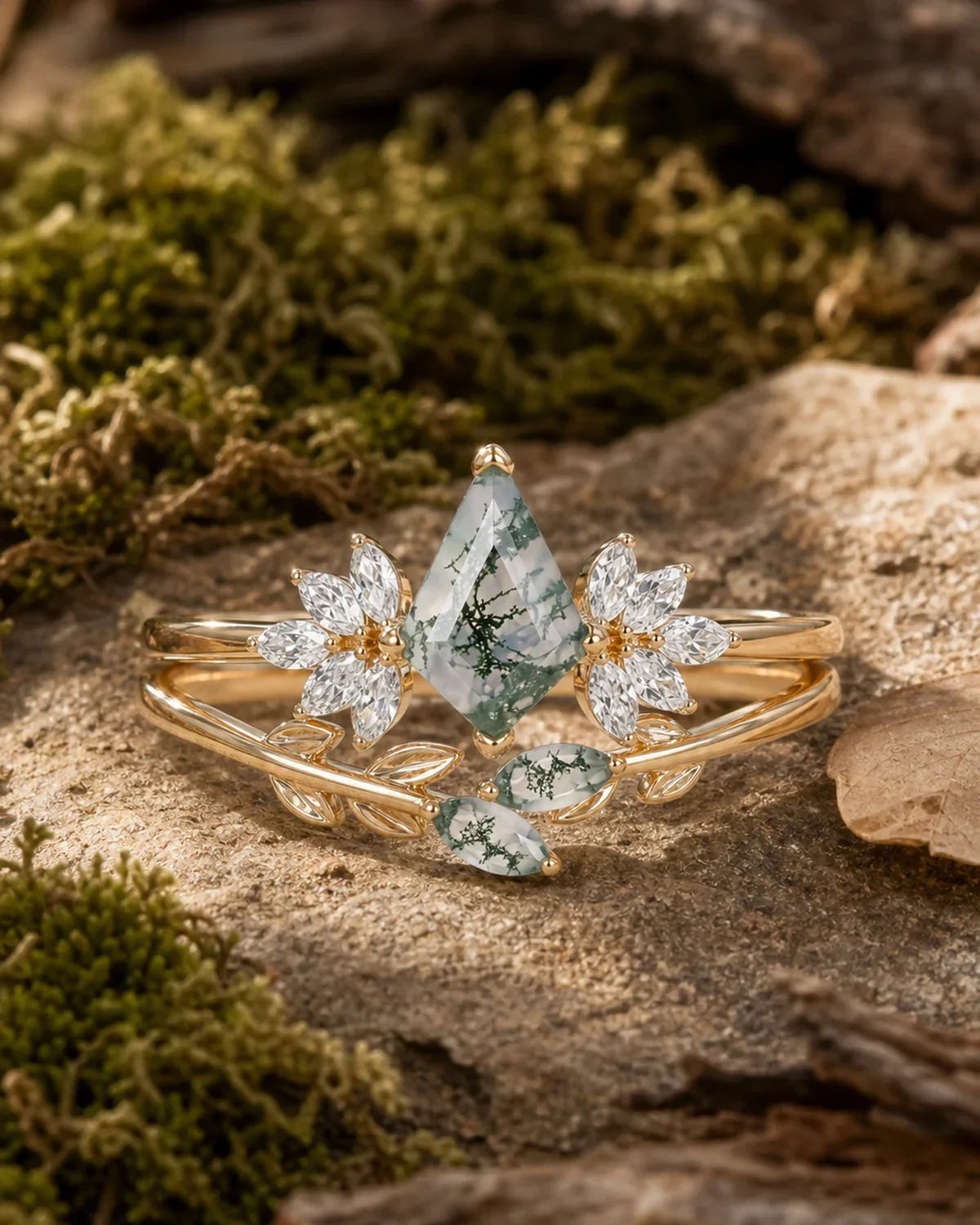
L'agata muschiata è amata per le sue inclusioni naturali, che possono assomigliare a piccoli paesaggi, rami o nebbia verde. È bellissima per anelli di fidanzamento alternativi e stili ispirati alla foresta, ma non è la pietra più sicura per un uso quotidiano intenso. Un anello in agata muschiata funziona meglio quando chi lo indossa capisce che il fascino della pietra è l'individualità visiva, non la massima resistenza.
Per l'agata muschiata, la scelta del montaggio è importante. Un solitario rialzato con bordi esposti è più vulnerabile di un alone basso, un bezel o un design a grappolo che offre una certa protezione alla pietra. Poiché molti design in agata muschiata tendono all'artistico, vale la pena controllare attentamente il profilo laterale. Un anello può sembrare magico dall'alto ma essere troppo alto per uno stile di vita pratico.
Acquamarina
L'acquamarina è più dura della perla e dell'opale, ma può comunque essere più vulnerabile dello zaffiro o del rubino. Ha una limpidezza acquosa che appare stupenda in oro bianco, oro giallo e montature vintage. Per l'uso quotidiano, è migliore in design che mantengono la pietra sicura ed evitano spigoli esposti. Gli anelli in acquamarina a taglio smeraldo e allungati dovrebbero essere controllati in particolare per la protezione degli angoli.
Livello 3: meglio per un uso poco frequente o a rotazione
L'opale e la perla possono essere mozzafiato, ma non sono le pietre centrali più pratiche per un anello indossato quotidianamente con intensità. Sono più indicati per anelli di fidanzamento occasionali, anelli per la mano destra, anelli cerimoniali, pezzi in stile vintage o per coppie che intendono alternare diversi anelli.
Opale
L'opale è visivamente magico perché il suo gioco di colori cambia con la luce e il movimento. In pratica, richiede cura. La guida alla cura dell'opale del GIA sottolinea che la durezza dell'opale può variare e che ha una tenacità da scarsa a discreta, un dettaglio importante per chi acquista un anello. Calore, sbalzi termici improvvisi e urti sono tutti fattori di rischio.
Se l'opale è la pietra dei tuoi sogni, considera un castone basso, pietre laterali protettive o un piano di utilizzo occasionale. Può essere un anello simbolico meraviglioso se sei consapevole della cura che richiede.
Perla
La perla è ancora più morbida e vulnerabile a graffi, prodotti chimici e abrasione. Brilla più che scintillare, e quella morbidezza è esattamente il motivo per cui le persone la amano. Ma la stessa superficie che dona alla perla la sua lucentezza la rende anche delicata. La guida alla cura della perla del GIA è chiara nell'evitare la pulizia a ultrasuoni e a vapore, e raccomanda una manutenzione molto delicata e regolare.
Un anello di fidanzamento con perla può funzionare per chi tratta i gioielli con cura e non si aspetta che un solo anello svolga ogni compito. È meno adatto per chi desidera un anello quotidiano da indossare e dimenticare.
I castoni protettivi possono cambiare la risposta
La durabilità di una gemma non dipende solo dalla pietra. Un castone protettivo può fare una differenza significativa, specialmente per smeraldo, agata muschiata, acquamarina, opale e perla. Non può trasformare una perla in uno zaffiro, ma può ridurre i rischi più evidenti.
| Gemma | Valutazione per uso quotidiano | Migliore protezione |
|---|---|---|
| Diamante | Utilizzo ad alta frequenza | Griffe sicure, bezel per stili di vita attivi, angoli protetti per tagli fantasia |
| Zaffiro | Utilizzo ad alta frequenza | Montature a griffe, bezel, alone o vintage funzionano tutte se costruite in modo sicuro |
| Rubino | Utilizzo ad alta frequenza | Griffe robuste, castoni bassi e abbinamento ponderato con la fede nuziale |
| Moissanite | Usura ad alta frequenza | Quasi qualsiasi montatura sicura per fidanzamento; evitare griffe eccessivamente sottili |
| Smeraldo | Usura quotidiana attenta | Halo, bezel, profilo basso, nessuna pulizia a vapore o a ultrasuoni |
| Agata muschiata | Usura quotidiana attenta | Halo protettivo, bordo bezel, cornice a grappolo, evitare urti violenti |
| Acquamarina | Usura quotidiana attenta | Angoli protetti, griffe lisce, montatura bassa |
| Opale | Usura occasionale | Conservazione imbottita, pulizia delicata, evitare calore e sbalzi termici improvvisi |
| Perla | Usura occasionale | Conservazione morbida, pulire dopo l'uso, evitare profumo, lozione, vapore e pulizia a ultrasuoni |
Sei anelli da confrontare secondo la logica dell'usura quotidiana
Gli anelli seguenti non intendono coprire ogni gemma della guida. Mostrano come diversi livelli di durabilità si traducano in scelte reali: forte brillantezza quotidiana, colore durevole, pietre verdi delicate e un'opzione morbida in perla per bassa frequenza.


Cosa rende un anello con gemma senza tempo?
La durabilità fa parte dell'atemporalità, ma non è l'unico aspetto. Un solitario di diamante può essere senza tempo perché resiste alle tendenze e all'uso quotidiano. Un anello con zaffiro può essere senza tempo perché il colore è classico. Un anello con smeraldo può essere senza tempo perché ha secoli di storia nel design alle spalle, anche se richiede più cura. Un anello con perla può essere senza tempo nell'atmosfera, ma non necessariamente nella manutenzione.
La vera domanda è se le esigenze di cura dell'anello corrispondono a chi lo indossa. Un anello fragile che vive in una scatola può diventare frustrante. Un anello resistente che non piace emotivamente a chi lo indossa può sembrare pratico ma poco stimolante. La scelta migliore si trova tra questi estremi: abbastanza resistente per la vita prevista, abbastanza bello da essere scelto sempre, e progettato con protezione dove la gemma lo richiede.
FAQ
Quale gemma è la migliore per un anello di fidanzamento da tutti i giorni?
Diamante, zaffiro, rubino e moissanite sono le scelte più resistenti per l'uso quotidiano in questa guida. Richiedono comunque montature sicure e cura normale, ma sono molto più adatti a un uso frequente rispetto all'opale o alla perla.
Lo smeraldo può essere indossato tutti i giorni?
Lo smeraldo può essere indossato quotidianamente da una persona attenta, specialmente in una montatura protettiva. Va rimosso per lavori pesanti, esposizione a sostanze chimiche, calore, vapore e pulizia a ultrasuoni. È meglio descritto come uso quotidiano attento piuttosto che uso quotidiano spensierato.
L'agata muschiata è abbastanza resistente per un anello di fidanzamento?
L'agata muschiata può funzionare per un anello di fidanzamento se chi lo indossa ne comprende i limiti. Scegli montature protettive ed evita urti violenti. È più adatta per un uso attento che per chi non vuole mai togliere l'anello.
Opale e perla sono scelte sbagliate per un anello di fidanzamento?
No, ma non sono ideali per un uso quotidiano intenso. Sono migliori per chi le indossa con delicatezza, per anelli occasionali, pezzi da alternare o anelli simbolici da portare con cura extra.
Un castone a bezel rende sicura una gemma più tenera?
Un bezel può ridurre il rischio proteggendo il bordo della gemma, ma non cambia la gemma stessa. Le gemme più tenere o fragili richiedono comunque una pulizia, una conservazione e abitudini di utilizzo attente.
Quindi, se ami una gemma, non scartarla subito solo perché non è un diamante. Sii solo onesto riguardo alla vita che avrà. Alcune pietre sono fatte per il ritmo quotidiano. Altre sono bellissime compagne con dei limiti. Altre ancora sono meglio conservate per momenti più lenti e delicati. Una buona scelta di anello inizia quando il romanticismo e la verità pratica sono autorizzati a sedersi allo stesso tavolo.