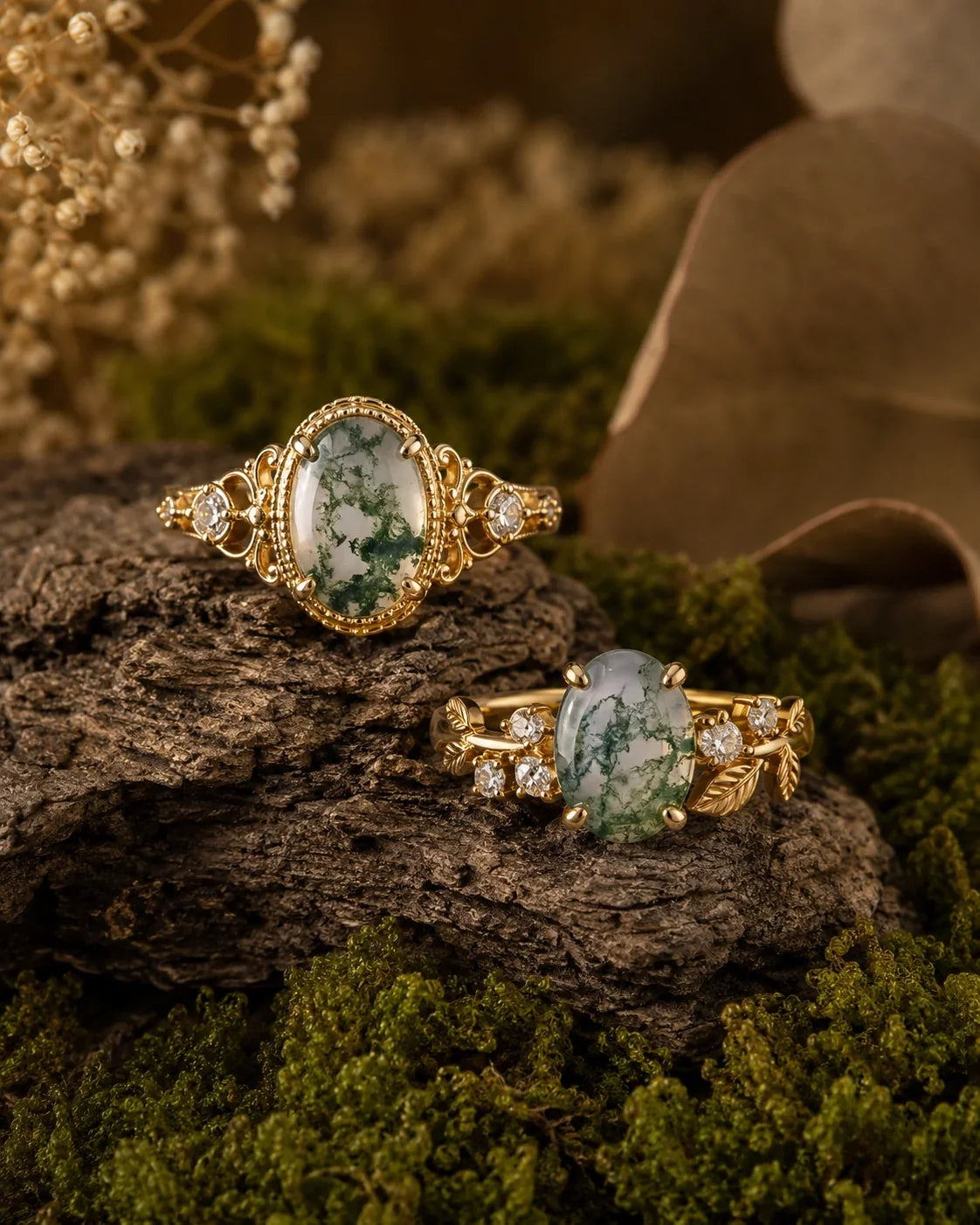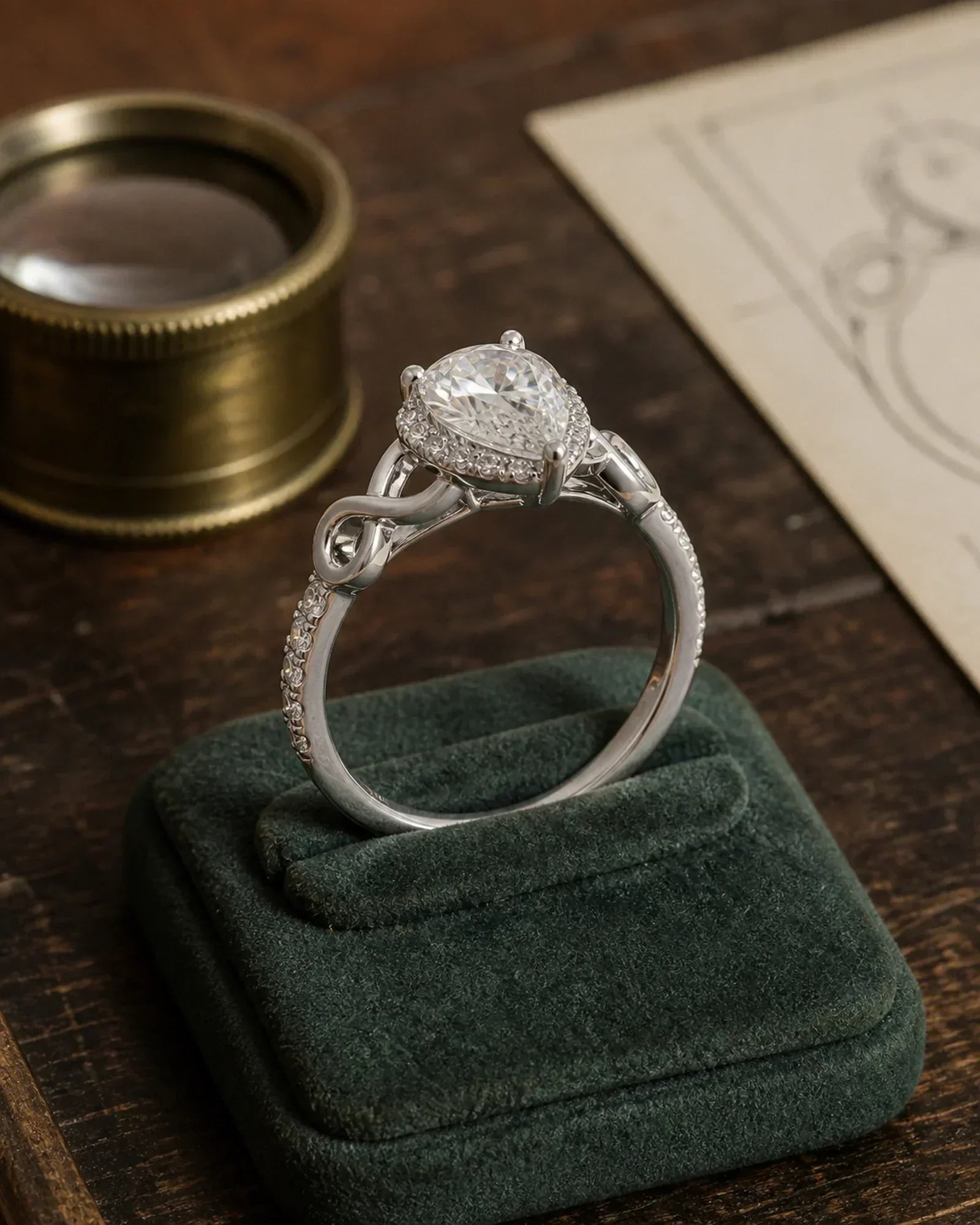

Scegliere tra oro 10K, 14K e 18K può sembrare come scegliere tra buono, migliore e ottimo. Ma questo è il modello sbagliato. Il carato indica quanto oro è presente in una lega. Di per sé non ti dice se un griffa sottile resisterà a un urto, se una foglia aperta si piegherà, se l'oro bianco avrà bisogno di una nuova rodiatura o se un anello si adatterà al modo in cui usi le mani.
Oro 10K, 14K e 18K a colpo d'occhio
| Lega d'oro | Contenuto di oro puro | Carattere visivo tipico | Ideale per | Principale compromesso |
|---|---|---|---|---|
| 10K / 417 | 10 parti su 24, circa 41,7% | Giallo o rosa più pallido; le leghe bianche possono apparire più fredde prima della placcatura | Per chi cerca una soluzione economica per l'uso quotidiano e preferisce un colore dell'oro delicato | Contenuto d'oro inferiore e proporzione maggiore di metalli di lega |
| 14K / 583 o 585 | 14 parti su 24, circa 58,3% | Colore dell'oro riconoscibile, senza la saturazione piena del 18K | Ampia gamma di anelli di fidanzamento, inclusi design dettagliati e per l'uso quotidiano | Né il prezzo più basso né il giallo più ricco |
| 18K / 750 | 18 parti su 24, 75% | Giallo più ricco; le tonalità rosa e bianche dipendono fortemente dalla ricetta della lega | Design di lusso, incentrati sul colore e di grande impatto | Prezzo più elevato e generalmente segni superficiali più visibili |
I numeri possono anche apparire come marchi di finezza in millesimi: 417 per il 10K, 583 o 585 per il 14K e 750 per il 18K. La guida per i consumatori FTC sui gioielli in oro spiega che i marchi in carati indicano la proporzione di oro puro e distinguono l'oro massiccio dai prodotti placcati o rivestiti. "Massiccio" significa che il pezzo non è semplicemente una superficie d'oro su metallo di base; non significa 24K.
Karat non è la stessa cosa di carat
Karat, scritto K negli Stati Uniti, descrive la finezza dell'oro. Carat, scritto ct, descrive il peso delle gemme. Un anello può quindi avere uno zaffiro da 1,0 ct in oro 14K. I numeri rispondono a domande diverse.
L'oro puro 24K è troppo morbido per la maggior parte delle strutture convenzionali degli anelli di fidanzamento, quindi i gioiellieri combinano l'oro con metalli come argento, rame, zinco, nichel o palladio. Questi metalli di lega influenzano il colore, la durezza, il comportamento in fusione e la risposta della superficie all'usura. Due leghe con lo stesso marchio 14K possono avere ricette diverse e proprietà di lavorazione leggermente differenti.

Perché "un carato più basso è più duro" non è una risposta completa
L'oro di caratura inferiore contiene una proporzione maggiore di metalli non auriferi, e molte ricette comuni 10K e 14K sono più dure delle ricette 18K comparabili. Ma la durezza è la resistenza all'incisione o ai graffi; la tenacità è la resistenza alla rottura; la resistenza riguarda la deformazione sotto carico. Il comportamento alla corrosione e la riparabilità sono ancora aspetti separati. L'anello finito dipende anche dalla produzione e dalla geometria.
Un gambo in oro 18K ben proporzionato può essere più affidabile di un gambo in oro 10K eccessivamente sottile. Un griff in oro 14K con una sede della pietra precisa può offrire prestazioni migliori di un griff dall'aspetto più massiccio ma con un contatto scarso. Porosità, superfici di fusione non finite, transizioni brusche da sottile a spesso e metallo insufficiente in un punto di giunzione possono compromettere qualsiasi caratura. Ecco perché la guida all'anatomia dell'anello di fidanzamento è importante: la scelta del metallo e il design strutturale devono essere valutati insieme.
Quando l'oro 10K ha senso
L'oro 10K è vero oro massiccio, non placcatura in oro. Il suo contenuto d'oro inferiore lo rende di solito la scelta meno costosa tra queste tre opzioni. L'oro giallo 10K spesso appare più chiaro e meno saturo, il che può essere un vantaggio per chi trova il metallo giallo intenso troppo caldo. Può anche essere pratico per un primo acquisto di alta gioielleria o per un anello il cui budget è destinato alla gemma centrale.
La cautela non è che il 10K sia "scarso". È che più metallo di lega significa che la ricetta esatta conta. Gli acquirenti con sensibilità note al nichel o ad altri metalli dovrebbero chiedere cosa contiene l'oro bianco invece di presumere che una percentuale d'oro inferiore sia automaticamente più delicata sulla pelle. Su un lungo periodo di possesso, l'ossidazione superficiale o i cambiamenti di tonalità possono anche variare a seconda della lega e dell'ambiente.
Perché il 14K è la scelta equilibrata predefinita
Il 14K si colloca tra prezzo, contenuto d'oro e proprietà pratiche di lavorazione. La sua tonalità gialla è più calda della maggior parte dell'oro giallo 10K ma di solito meno satura del 18K. È ampiamente utilizzato per anelli di fidanzamento per l'uso quotidiano, il che rende anche le operazioni di routine di ridimensionamento, lavorazione dei griff e abbinamento delle fedi familiari a molti laboratori di riparazione.
Per un gambo sottile, piccoli accenti a foglia o spalle con pavé, il 14K è spesso un punto di partenza sensato, non un permesso per rendere ogni parte il più sottile possibile. La scala visiva delicata dovrebbe derivare da rastremazione, spazio negativo e transizioni controllate. Le aree portanti continue necessitano comunque di metallo finito sufficiente.
Quando il 18K vale il sovrapprezzo
Il 18K contiene il 75% di oro e conferisce all'oro giallo il suo aspetto più ricco tra queste tre opzioni. Può far apparire particolarmente intenzionali i diamanti caldi, le gemme verdi, i rubini e i dettagli di ispirazione antica. Gli acquirenti che scelgono il 18K spesso pagano per il colore e il contenuto del materiale, non per la promessa che l'anello rimarrà senza segni.
Graffi superficiali e piccole ammaccature sono normali segni di usura in qualsiasi anello d'oro, ma possono diventare visibili prima su molte leghe 18K. Ciò non rende il 18K inadatto agli anelli di fidanzamento. Significa che il design dovrebbe evitare fragilità inutili. Un gambo sostanzioso, incastonature protette per gli accenti e spalle ben supportate sono partner migliori per il 18K rispetto a un CAD sottodimensionato che si affida alla purezza come segnale di qualità.
Oro giallo, bianco e rosa: non si confrontano allo stesso modo
La guida GIA all'oro giallo, bianco e rosa evidenzia le diverse famiglie di leghe e i marchi di finezza comunemente usati per gli anelli di fidanzamento. Il colore dell'oro giallo tende a diventare più ricco all'aumentare del contenuto d'oro, ma i rapporti tra rame e argento ne modulano comunque la tonalità finale.
L'oro rosa deve il suo carattere rosato in gran parte al rame. Un carato più alto non appare sempre "più rosa": con più oro giallo e meno spazio per il rame, l'oro rosa 18K può risultare più caldo e tendente al pesca-oro, mentre le ricette 10K o 14K possono apparire più rosate. La formula esatta conta più di un generico campione online.
L'oro bianco è legato verso un colore di base pallido ed è comunemente placcato al rodio per una superficie bianca brillante. Una volta placcati, l'oro bianco 14K e 18K possono apparire quasi identici. Con l'usura del rodio sul lato inferiore e sui bordi, può emergere la lega sottostante più calda. La riplaccatura è manutenzione, non prova che l'anello sia difettoso. Se la sensibilità è un problema, chiedete se la lega contiene nichel; le ricette di oro bianco con palladio e il platino sono alternative da valutare.

Abbinare il carato all'architettura dell'anello
Fusti sottili e micro dettagli
Un anello sottile è governato dalla sua sezione finita più stretta. Per i raffinati anelli di fidanzamento con foglie e viticci, verificate se i dettagli botanici sono incisioni superficiali su un fusto continuo o elementi sporgenti separati che portano carico. Le piccole punte decorative non dovrebbero essere l'unico collegamento tra la testa e la fascia. Il 14K è un default pratico, mentre il 18K può funzionare quando le dimensioni restano sostanziali.
Filigrana e trafori vintage
Gli spazi aperti fanno sembrare la lavorazione leggera, ma ogni ponte tra questi spazi ha una funzione. Nei design di anelli di fidanzamento vintage, milgrain, incisioni e filigrana dovrebbero essere proporzionati per la finitura e la pulizia futura. Il ricco oro giallo 18K si adatta all'atmosfera storica; il 14K può lasciare più budget per la finitura a mano. La scelta migliore dipende dalle sezioni trasversali effettive.
Griffes, cluster e anelli trilogy
La sicurezza dei griffes dipende dalla precisione dell'alloggiamento, dal metallo rimanente e dall'ispezione, non da uno slogan sul carato. Gli anelli cluster aggiungono molti piccoli punti di contatto che richiedono accesso per la pulizia. Le montature per anelli trilogy più larghe necessitano di transizioni fluide sulle spalle, così che la testa non si comporti come una piattaforma pesante su una fascia stretta. Ognuno dei tre carati può funzionare quando questi rapporti sono solidi.
Stack nuziali e carati misti
Puoi indossare insieme anelli in 10K, 14K e 18K, ma gli anelli adiacenti si sfregano. Durezza, forma e finitura superficiale diverse possono far sì che un bordo consumi l'altro, soprattutto quando un griffe alto o una pietra esposta tocca la fascia vicina. Abbina i profili e ispeziona i punti di contatto. La corrispondenza cromatica esatta è più semplice quando entrambi gli anelli utilizzano la stessa lega dalla stessa fonte.

Una matrice decisionale per la vita reale
| La tua priorità | Inizia confrontando | Cosa verificare |
|---|---|---|
| Prezzo più basso per oro massiccio | 10K | Dichiarazione della lega, colore preferito e supporto per la ridimensionatura |
| Scelta equilibrata per l'uso quotidiano | 14K | Dimensioni finite e piano di manutenzione dei griffes |
| Colore oro giallo più ricco | 18K | Aspettative di usura superficiale e massa strutturale adeguata |
| Design botanico molto delicato | 14K prima, poi confronta con 18K | Dimensioni della foglia, del ponte, del gambo e della base dei griffes più strette |
| Aspetto bianco brillante | Oro bianco 14K o 18K | Lega di base, contenuto di nichel e servizio di rodiatura |
| Pelle sensibile | Lega nota senza nichel o platino | Composizione effettiva, non solo il timbro del carato |
Sei strutture di anelli da confrontare in 10K, 14K e 18K
Questi esempi sono utili perché il metallo svolge un lavoro diverso in ciascun design. Confronta prima la struttura completa, poi scegli il carato e il colore. I prezzi indicati riflettono l'opzione 14K disponibile al momento della recensione.

Solitario Foglia di Salice
14K da $690. Un utile esempio di spalle botaniche slanciate e protezione della punta.

Set Trio Sylvara
14K da $2.320. Le fasce multiple rendono particolarmente importanti l'abbinamento dei colori e i punti di contatto.

Filigrana Smeraldo Edoardiana
14K da $990. La qualità del traforo dipende dalle giunzioni finite, non solo dalla delicatezza visiva.

Anello Floreale HexaBloom
14K da $860. L'alloggiamento angolare della pietra incontra la lavorazione del metallo a forma di petalo.

Grappolo Acquamarina Serelune
14K da $1.330. Un esempio guidato dal colore, in cui il tono del metallo cambia l'intera palette.

Rubino Scultoreo Roselune
Il 14K parte da $989. I petali tridimensionali mostrano perché lo spessore delle giunzioni è importante.
Domande frequenti sul carato dell'oro
L'oro 10K è adatto a un anello di fidanzamento?
Sì, quando il suo colore ti piace, comprendi la lega e scegli una montatura solida. È oro massiccio e può essere adatto all'uso quotidiano. Non è automaticamente la scelta migliore per pelli sensibili o per un design dalle proporzioni inadeguate.
L'oro 18K si graffia più del 14K?
Molte leghe 18K mostrano i segni superficiali più facilmente rispetto a leghe 14K comparabili, ma contano la composizione, la finitura e l'usura. I graffi sono estetici finché non rimuovono metallo sufficiente a compromettere un griff o una giunzione strutturale.
Per l'oro bianco è meglio il 14K o il 18K?
Entrambi possono funzionare. Le versioni placcate al rodio possono apparire quasi identiche quando sono nuove. Confronta il colore della lega sottostante, il contenuto di nichel, il prezzo e la necessità prevista di riplaccatura, invece di scegliere solo in base al numero di carati.
Un anello di fidanzamento in 18K può essere ridimensionato?
Spesso sì. La possibilità di ridimensionamento dipende soprattutto dal design del gambo, dalle pietre lungo la fascia, dalle incisioni, dai trafori e dall'entità della modifica necessaria. Verifica i limiti prima di ordinare un design complesso.
Qual è l'oro migliore per un anello di fidanzamento personalizzato a foglia?
Il 14K è un punto di partenza pratico, mentre il 18K offre un colore più ricco quando il design ha uno spessore adeguato. Durante l'approvazione del progetto personalizzato, richiedi le misurazioni in corrispondenza di ogni foglia stretta e di ogni raccordo con la spalla. La checklist per l'approvazione dell'anello personalizzato spiega quali viste e dimensioni esaminare.
La scelta finale
Scegli il 10K per il valore e una presenza dell'oro più discreta, il 14K per un equilibrio versatile, oppure il 18K per un colore più ricco e un maggiore contenuto d'oro. Poi prendi la seconda decisione, altrettanto importante: se l'anello è progettato in funzione della sua pietra, della montatura e dell'uso previsto. Un consiglio sensato sul 14K è utile; una struttura misurata, una lega dichiarata e un piano di manutenzione realistico sono meglio.
Per idee inusuali a foglia, filigrana o scultoree, confronta le proporzioni consolidate tra i design di anelli di fidanzamento personalizzati prima di approvare la versione più stretta possibile. Il miglior oro per un anello di fidanzamento non è il numero più alto del menu. È la lega e l'architettura che puoi comprendere, mantenere e apprezzare per anni.