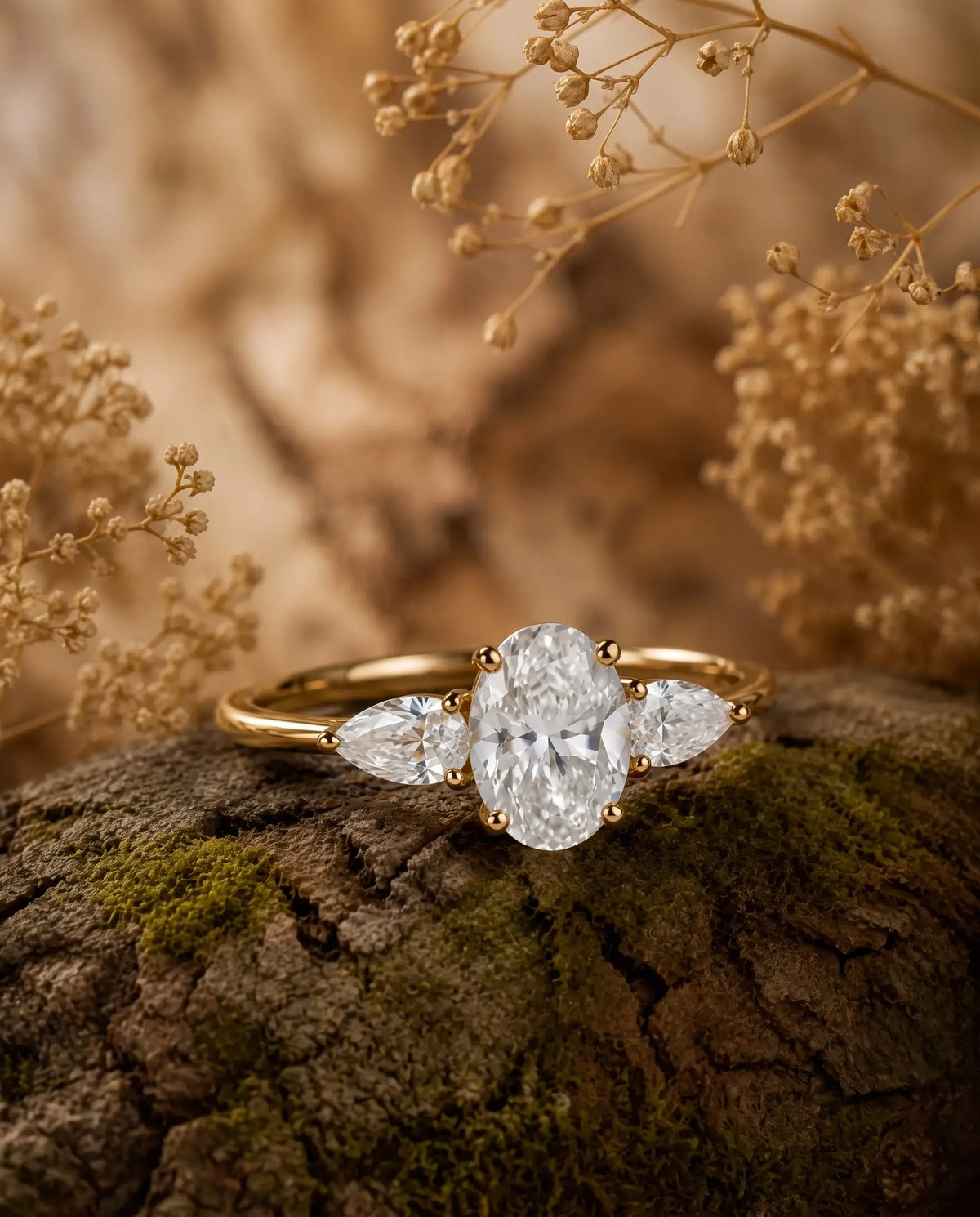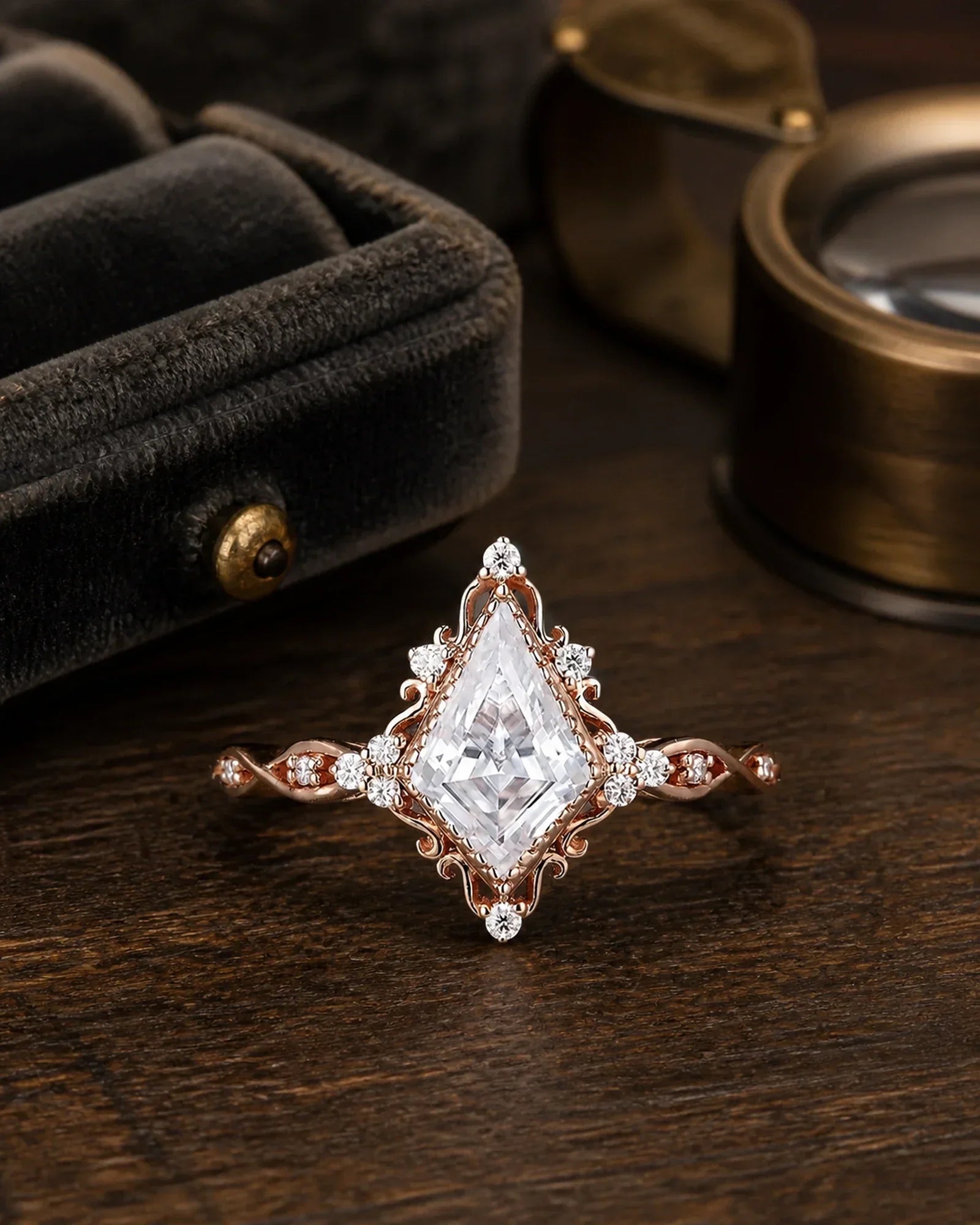

Un set da sposa e due anelli scelti separatamente possono sembrare quasi identici in una fotografia. La differenza emerge più tardi: quando la fede incontra la base dell'anello di fidanzamento, quando il budget deve coprire entrambi i pezzi, o quando un anello necessita di una modifica di misura senza alterare l'altro.
La risposta breve è pratica. Scegli i set di anelli da sposa quando la silhouette finale e la vestibilità ravvicinata contano di più. Acquista separatamente quando dai valore a una spesa scaglionata, a scelte di stile indipendenti e a modifiche future più semplici. Nessuna delle due strade è universalmente migliore, e un set coordinato non è automaticamente più economico o più comodo.
Le due strade d'acquisto
Percorso 1: acquistare anello di fidanzamento e fede come set
Un set anello di fidanzamento con fede nuziale viene sviluppato o presentato come un'unica composizione. La fede abbinata può seguire la punta di un goccia o di un kite, aggirare una montatura bassa, ripetere un motivo a foglia o incorniciare un cluster ampio. È possibile valutare la larghezza totale, lo spazio negativo e i punti di contatto prima dell'acquisto.
Questo percorso è ideale per montature basse, halo grandi, cluster asimmetrici, punte allungate e spalle scultoree. È utile anche quando si desidera che i due anelli appaiano coordinati fin dal primo giorno. Il limite è l'impegno: una fede molto curva può sembrare incompleta da sola e potrebbe non adattarsi a un futuro anello di fidanzamento sostitutivo.
Percorso 2: acquistare anello di fidanzamento e fede separatamente
L'acquisto separato parte da un anello e rinvia la seconda decisione. Può essere sensato quando la proposta arriva molto prima del matrimonio, quando la persona non ha ancora deciso come comporre lo stack o quando si preferisce una fede semplice accanto a una montatura elaborata. Consente inoltre a due persone di scegliere insieme l'anello di fidanzamento e di rivalutare la fede dopo mesi di utilizzo reale.
Il rischio è che "stesso metallo, stessa larghezza" non equivale a compatibilità. Una fede dritta può fermarsi contro la montatura, strofinare una pietra laterale bassa o posizionarsi a un livello verticale diverso. Se desiderate anelli di fidanzamento e fedi coordinati senza acquistarli insieme, portate all'appuntamento per la fede l'anello di fidanzamento reale, un modello tridimensionale esatto o le misure complete.
Vestibilità: guardare sotto la pietra centrale
Le fotografie dall'alto mostrano lo stile, non lo spazio libero. Ruotate l'anello di fidanzamento di lato e individuate l'ostruzione più bassa: montatura, ponte, bordo dell'halo, griffe delle pietre laterali o spalla decorativa. Poi confrontate quel punto con l'altezza finita della fede. Un ponte alto può permettere a una fede dritta di passare sotto. Una montatura bassa può richiedere una fede sagomata, a chevron o aperta.
Un set da sposa offre una relazione definita da testare, ma merita comunque un'ispezione. Verificate che la fede non prema sulle griffe o sui bordi esposti delle gemme quando gli anelli ruotano. Controllate se la curva è direzionale e se i due anelli possono essere indossati separatamente. La nostra guida dettagliata su fedi aderenti e con spazio intenzionale spiega le differenze tra fasce dritte, curve, sagomate, aperte e distanziatrici.
Anche la comodità dipende dalla larghezza complessiva. Due fusti da 1,8 mm non danno sempre la stessa sensazione di un unico anello da 3,6 mm, perché ci sono quattro bordi e due cerchi che si muovono. Provate l'intera pila dopo che il dito si è scaldato, chiudete il pugno in modo rilassato e tenete in mano una tazza. Una coppia che sembra perfettamente a filo può comunque pizzicare o risultare stretta sul nodo.
Budget: confrontate la specifica totale, non la parola "set"
Gli acquirenti spesso chiedono se un set da sposa costa meno. A volte sì, ma l'etichetta da sola non dimostra nulla. Confrontate il peso totale del metallo, la gemma centrale, le pietre di contorno, la lavorazione, le garanzie e i servizi inclusi. Un set composto da due pezzi con pavé esteso può costare più di un solitario acquistato ora e una fede semplice in un secondo momento.
La vera differenza di budget è spesso la tempistica. Un set anticipa la spesa completa e protegge dalla necessità di far adattare su misura una fede in seguito. L'acquisto separato distribuisce il flusso di cassa su due date e consente al budget della fede di cambiare. Tuttavia, una fascia sagomata realizzata in seguito può richiedere misurazione, modellazione, un prototipo o una produzione personalizzata. Includete questa possibilità invece di confrontare solo i totali del primo checkout.
Considerate il valore come rilavorazione evitata. Se un anello di fidanzamento basso a motivo botanico richiede chiaramente una fede a V sagomata, acquistare la coppia già nota può evitare l'acquisto di una fascia dritta inadatta. Se l'anello di fidanzamento ha una struttura alta e aperta e accetta molte fedi standard, rimandare la scelta potrebbe non costare nulla a livello strutturale e preservare maggiore libertà.
Libertà di design e upgrade futuri
Anelli separati offrono la più ampia libertà visiva. Una fede lucida può calmierare un anello di fidanzamento dettagliato; una texture diversa può creare contrasto; una fascia anniversario può essere aggiunta in seguito senza cercare di riprodurre un motivo fuori produzione. Potete anche indossare la fede da sola durante viaggi, lavoro o attività in cui il centro rialzato risulta poco pratico.
Un set offre una composizione finita più forte. Forme marquise ripetute, milgrain condiviso o curve speculari possono far leggere due anelli come un unico design. Prima di impegnarvi, immaginate tre stati futuri: anello di fidanzamento da solo, fede da sola e una pila anniversario a tre anelli. Se solo l'arrangiamento originale a due anelli appare coerente, decidete se questa perdita di flessibilità è accettabile.
Ridimensionamento e riparazione: due anelli creano due storie di servizio
La maggior parte dei set non saldati può essere sottoposta a manutenzione un anello alla volta. Questo è utile quando l'anello di fidanzamento e la fede richiedono adattamenti di misura diversi o quando uno necessita di serraggio delle pietre. Consente anche a chi lo indossa di tenere un anello mentre l'altro è in laboratorio. Una volta che gli anelli sono uniti in modo permanente, l'allineamento migliora, ma pulizia, riparazione, ridimensionamento e uso da soli diventano più difficili.
La modifica della misura può alterare sottilmente la vestibilità. Ingrandire o ridurre un anello ne modifica il cerchio, e un profilo profondo potrebbe non incontrare più l'anello di fidanzamento negli stessi identici punti. Pietre su tutta l'eternità, pavé esteso, incisioni e milgrain ripetuti possono limitare l'area disponibile per la modifica. Chiedete di quante misure ciascun pezzo può ragionevolmente essere modificato prima di ordinare, non dopo un cambiamento importante della misura del dito.
La complessità della riparazione segue il contatto. Se la fascia sfrega ogni giorno contro un griffa dell'anello di fidanzamento, quella piccola area può usurarsi più rapidamente del resto. Se due bordi pavé si incontrano, entrambi gli anelli potrebbero richiedere un'ispezione. Il vocabolario nella guida all'anatomia dell'anello di fidanzamento vi aiuta a identificare i componenti esatti coinvolti invece di segnalare che "gli anelli si toccano da qualche parte".

Set da sposa vs anelli separati: confronto rapido
| Fattore decisionale | Set da sposa | Anelli separati |
|---|---|---|
| Vestibilità iniziale | Profilo noto e spaziatura prevista possono essere valutati insieme. | Deve essere misurata rispetto all'anello di fidanzamento finito. |
| Tempistica del budget | Di solito si paga per entrambi i pezzi insieme. | Distribuisce le decisioni e la spesa su due date. |
| Prezzo totale | Può essere efficiente, ma non si deve presumere uno sconto automatico. | Può partire da un prezzo inferiore; l'adattamento personalizzato successivo può aggiungere costi. |
| Libertà di design | Look unificato e forte, meno combinazioni indipendenti. | Massimo contrasto, abbinamenti e opzioni di sostituzione future. |
| Modifica della misura | Semplice se non saldati e lisci sul retro; i profili complessi possono spostarsi. | Ogni anello può essere modificato indipendentemente, anche se la vestibilità deve essere ricontrollata. |
| Riparazione | Aree di contatto note, ma dettagli abbinati intricati possono richiedere più manodopera. | Un anello può essere riparato da solo; bordi non abbinati possono creare usura. |
| Aggiornamento futuro | Ideale quando la composizione originale rimarrà centrale. | Ideale per cambiare fedi, aggiungere anniversari o sostituire un pezzo. |
Sei design attuali di set e cosa insegna ciascuno
Questi sei design aggiunti di recente non sono in ordine di classifica. Ognuno dimostra una diversa decisione di vestibilità o di possesso; confrontate le viste laterali con la stessa attenzione della pietra centrale.
 Set Aura con moissanite ovaleLa fede a V accoglie la pietra centrale ovale e rende l'incastro parte della silhouette.14K da $1,550
 Set Rosavelle con grappolo di rubiniIl milgrain e le ripetute montature rotonde rendono importanti l'accesso per l'ispezione e le future rifiniture.14K da $1,380
 Set Celestelle con zaffiro a gocciaLa curva marquise incornicia una pietra centrale appuntita che una fede dritta generica non seguirebbe.14K da $1,430
 Set Noctivra con moissanite neraIl taglio kite direzionale e gli accenti scuri premiano l'acquisto della composizione completa, ma verificate l'aspetto della fede da sola.14K da $1,580
 Set Lumora con grappolo di opaliLa fede sagomata deve lasciare spazio all'opale più delicato e al suo grappolo, senza premere verso l'alto.14K da $1,420
 Set Serenvale vintage con zaffiroIl chevron crea spazio mentre le foglie in milgrain mantengono i due pezzi visivamente legati.14K da $1,280
Conviene acquistare un set da sposa?
Scegli un set quando la silhouette completa con due anelli ti piace già, la testa dell'anello di fidanzamento richiede chiaramente un compagno sagomato e sei a tuo agio nell'approvare ora la larghezza combinata. Scegli separatamente quando vuoi indossare l'anello di fidanzamento prima di decidere, preferisci una fascia semplice o contrastante, hai bisogno di una spesa scaglionata o prevedi che lo stack si evolva.
- Osserva entrambi gli anelli insieme dall'alto, da entrambi i lati e dal lato del palmo.
- Chiedi se lo spazio è progettato e se qualche griffe o bordo di gemma si tocca.
- Prova ogni anello da solo e lo stack completo per almeno dieci minuti.
- Conferma la larghezza e lo spessore finiti di entrambi i gambi.
- Chiedi la gamma pratica di ridimensionamento per ogni anello prima dell'acquisto.
- Decidi se gli anelli rimarranno separati o potrebbero essere uniti in seguito.
- Simula una futura fascia per anniversario prima di approvare un contorno profondo.
Se il design viene realizzato su ordinazione, la checklist per l'approvazione dell'anello personalizzato spiega quali dimensioni e viste laterali meritano una conferma scritta. Per una panoramica più ampia, confronta le montature per anelli di fidanzamento e i profili delle fedi nuziali come strutture fisiche, non come stili isolati.
Domande frequenti
Cosa è incluso in un set di anelli da sposa?
Di solito un anello di fidanzamento e una fede nuziale coordinata. Alcuni set includono due fasce compagne, quindi conferma il numero di pezzi, le gemme, il metallo e la misurazione per ogni articolo.
I set di anelli da sposa costano meno rispetto all'acquisto separato?
Non automaticamente. Confronta le specifiche complete e i servizi. Un set può evitare costi di adattamento personalizzato successivi, mentre l'acquisto separato può distribuire la spesa nel tempo.
I set da sposa devono essere saldati insieme?
No. Molti vengono indossati come due anelli indipendenti. L'unione può stabilizzare l'allineamento, ma riduce la flessibilità di indossarli singolarmente e può complicare future misurazioni o riparazioni.
Un set da sposa può essere ridimensionato?
Spesso sì, ma la gamma pratica dipende dalla copertura pavé, dall'incisione, dalle pietre su tutta la circonferenza, dalla costruzione del gambo e dalla profondità del contorno. Entrambi gli anelli dovrebbero essere ridimensionati e ricontrollati come coppia.
Posso aggiungere una fascia per anniversario a un set da sposa?
Di solito sì, ma prova prima la larghezza e l'allineamento futuri dei tre anelli. Un contorno direzionale profondo può essere difficile da rispecchiare, mentre uno stack più semplice lascia più opzioni.
La scelta migliore è quella che protegge la tua prossima decisione
La risposta migliore a set da sposa vs anelli separati non è nascosta nell'etichetta di un prodotto. È visibile nella geometria della parte inferiore, nella larghezza totale dell'impilamento, nel piano di assistenza e nel modo in cui prevedi che gli anelli cambieranno con la tua vita. Un set elimina un futuro problema di abbinamento. Anelli separati preservano una futura possibilità di scelta. Decidi quale di questi vantaggi conta di più prima di approvare il design.