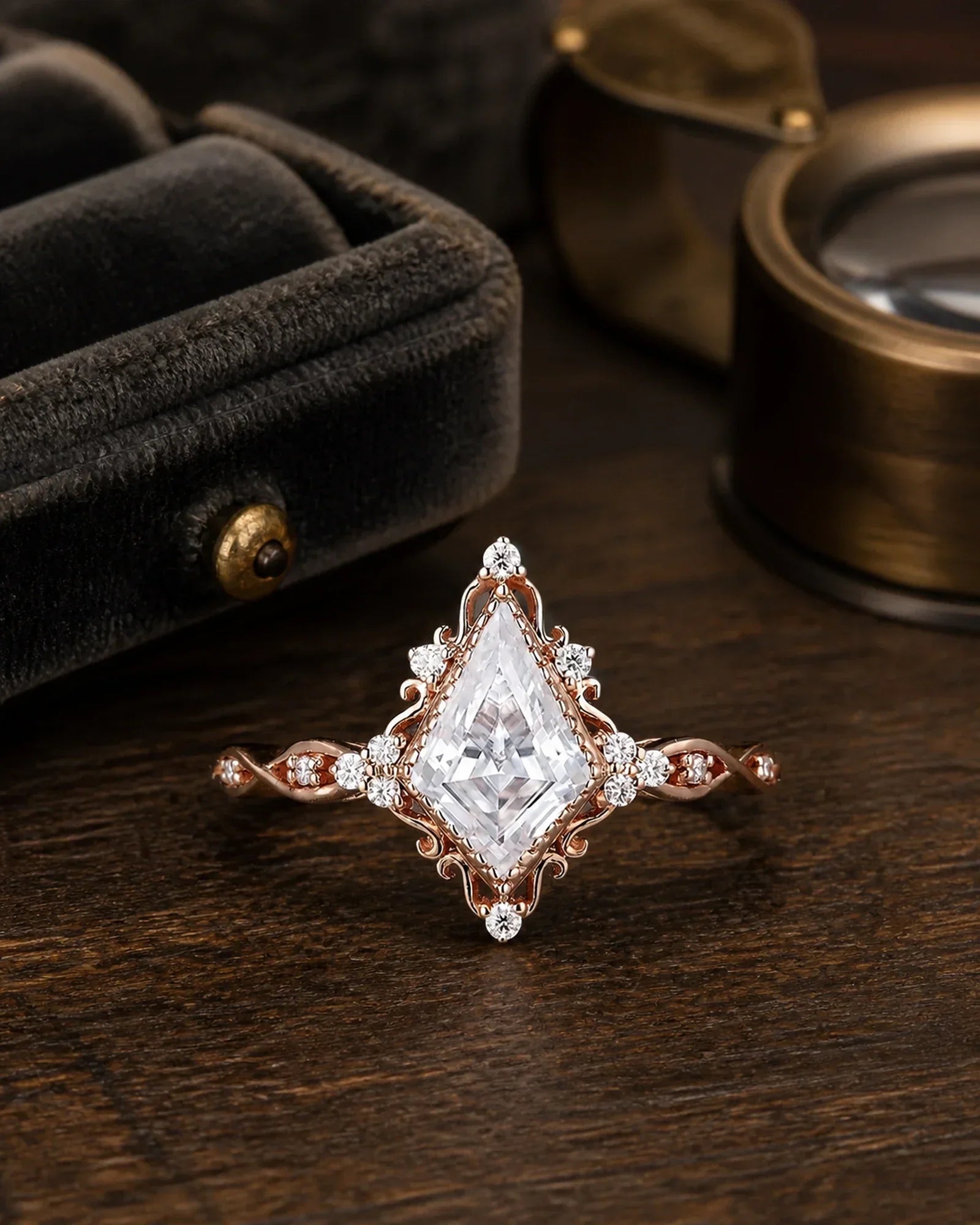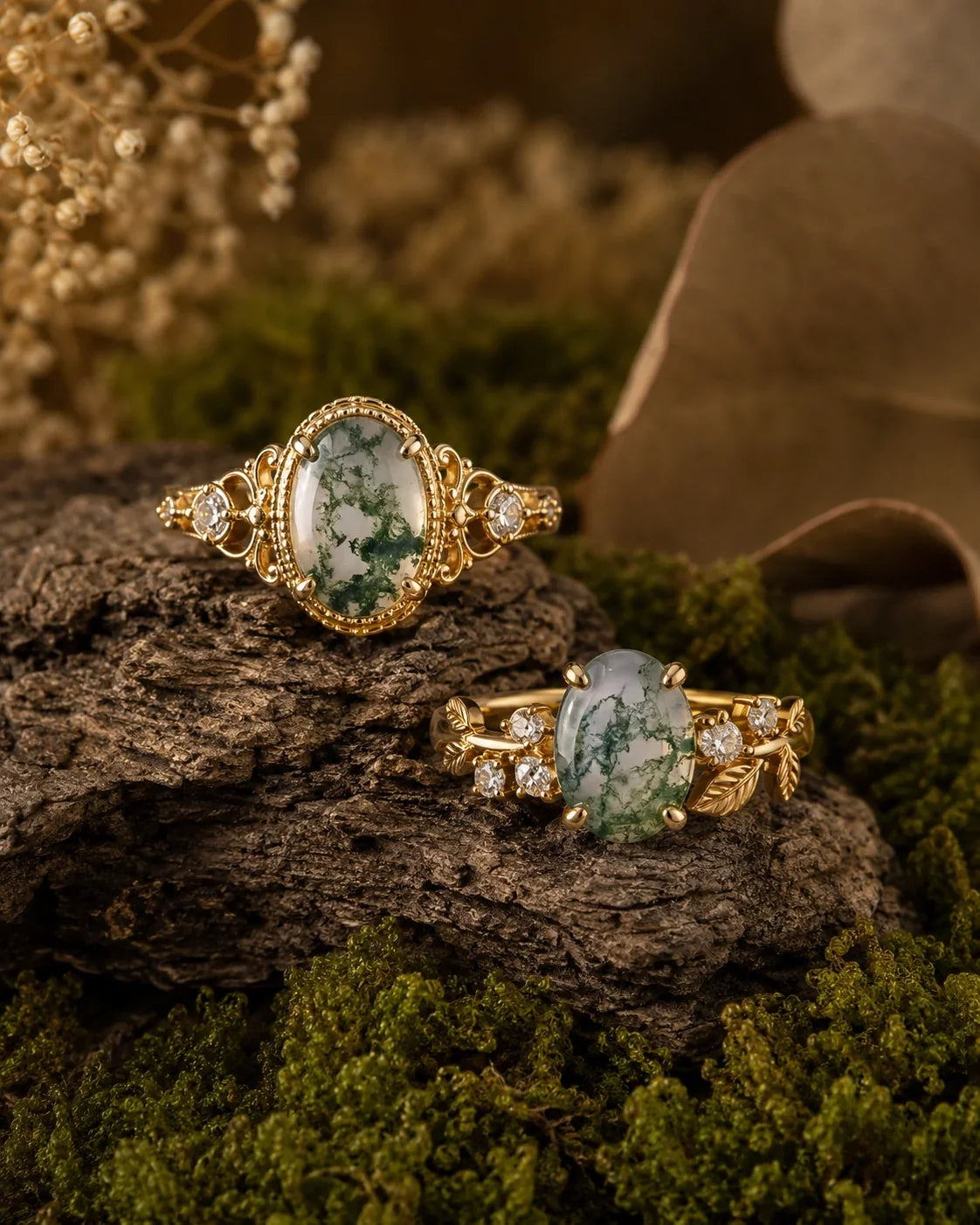

“Ispirato alla natura” sembra una definizione precisa, finché non inizi a fare acquisti. Un anello può sembrare un piccolo giardino, un altro un ramo spoglio, e un altro ancora può portare una luna crescente o una farfalla senza usare una sola foglia. Appartengono tutti allo stesso ampio mondo del design, ma non creano lo stesso mood, non si indossano allo stesso modo e non chiedono all’orafo di risolvere gli stessi problemi strutturali.
Il primo passo utile non è scegliere una gemma. È decidere che tipo di natura vuoi che esprima la montatura. Un’analisi di 171 modelli ispirati alla natura attualmente in catalogo, condotta il 24 agosto 2026, ha rilevato che la maggior parte potrebbe ragionevolmente rientrare in più di una famiglia di motivi. Questa sovrapposizione non è un difetto. Un anello con luna può avere anche foglie; un anello boschivo può contenere dettagli floreali. La chiave è individuare l’elemento che guida il design, poi verificare se il resto lo sostiene.
Questa guida considera gli anelli di fidanzamento ispirati alla natura come stile genitore e le otto direzioni seguenti come scelte equivalenti al suo interno. Il botanico è quindi una delle opzioni, non un'etichetta generica per ogni anello influenzato dal mondo naturale.
Trova il tuo stile: quale motivo naturale fa per te?
| Stile | Cosa guida il design | Ideale per | Punto di attenzione pratico |
|---|---|---|---|
| Anelli di fidanzamento botanici | Un giardino composto di foglie, boccioli, steli e fiori | Romanticismo stratificato e dettagli riccamente osservati | Le superfici complesse richiedono un buon accesso per la pulizia |
| Anelli di fidanzamento a foglia | Foglie riconoscibili sulle spalle, sui griffes o come accenti | Simbolismo discreto e immediata riconoscibilità visiva | Le punte delle foglie dovrebbero essere arrotondate e sostenute |
| Anelli di fidanzamento floreali | Petali, rosette o un castone centrale a forma di fiore | Estetica romantica, vintage e da giardino | I petali rialzati possono aumentare l'altezza e impigliarsi |
| Anelli di fidanzamento a vite e ramo | Linee di crescita sinuose, biforcazioni e struttura simile alla corteccia | Movimento organico o un anello meno simmetrico | Verifica il punto più stretto del gambo e le giunzioni dei rami |
| Anelli di fidanzamento celestiali | Lune, stelle, esplosioni solari e geometrie simili a orbite | Simbolismo mistico con chiarezza grafica | Le punte delle stelle e i gruppi decentrati richiedono protezione |
| Anelli di fidanzamento boschivi | Un'atmosfera di foresta: muschio, corteccia, ombra e crescita irregolare | Design terrosi, ricchi di storia e non convenzionali | Le texture possono trattenere la crema e ammorbidirsi con l'uso |
| Anelli di fidanzamento ispirati all'oceano | Onde, coralli, conchiglie e curve marine fluide | Ricordi costieri e linee contemporanee fluide | I rami di corallo letterali non dovrebbero diventare taglienti |
| Anelli di fidanzamento ispirati agli animali | Farfalle, corna, volpi o altre creature riconoscibili | Emblemi personali e anelli artistici di dichiarazione | Il motivo deve rimanere leggibile senza diventare ingombrante |
Botanico, Foglia, Floreale e Rampicante Non Sono Intercambiabili
Queste quattro categorie condividono l'immaginario vegetale, perciò i titoli dei prodotti spesso usano queste parole insieme. Un modo migliore per distinguerle è chiedersi dove si posa per prima l'occhio. Botanico è una composizione. Foglia e floreale indicano l'oggetto dominante. Rampicante e ramo descrivono la linea e l'architettura che guidano lo sguardo attorno all'anello.

Botanico: l'intero giardino
Un anello botanico funziona al meglio quando diversi dettagli vegetali formano un'unica composizione deliberata. Piccoli boccioli possono bilanciare una spalla a foglia; il pavé può suggerire la rugiada; un accento floreale può ammorbidire la transizione verso il centro. Se un singolo fiore o una sola fila di foglie domina, una categoria più specifica descriverà di solito l'anello in modo più accurato.
Foglia: il simbolo quieto più chiaro
Le foglie possono restare vicine alla fascia e rimanere relativamente comode da indossare. Pietre di contorno a marquise possono creare foglie scintillanti, mentre foglie in metallo scolpito offrono più texture. Cerca punte arrotondate, metallo sufficiente alla base e un design che prosegue sotto il dettaglio visibile delle venature. La guida esistente su come si comportano i castoni a foglia nell'uso quotidiano esplora queste varianti in maggiore profondità.
Floreale: architettura attorno al centro
Un anello floreale di solito colloca la gemma al cuore di un fiore. I petali possono essere in metallo, incastonati a pavé o formati da accenti a marquise. Questo può creare maggiore presenza frontale senza usare un'unica pietra molto grande, ma il profilo laterale conta: i petali sotto la cintura possono sollevare la testa o sporgere nello spazio necessario a una fede nuziale.
Rampicante & ramo: movimento prima dell'ornamento
Un rampicante si torce; un ramo si biforca. Queste linee possono dividere la fascia, portare pietre di contorno o diventare supporti simili a griffe. Il design risulta convincente quando il percorso portante continua attraverso il dettaglio organico. Un sottile rametto in metallo aggiunto in superficie può sembrare delicato in un rendering, ma può diventare il primo punto a piegarsi.

Caso di studio: lasciare che sia la linea a fare il lavoro
Il set di anelli in agata muschiata esagonale allungata con motivo a vite dimostra perché "vite" sia una descrizione strutturale. Le linee d'oro intrecciate guidano lo sguardo verso il centro allungato, mentre la fascia coordinata ripete lo stesso movimento. Prima di scegliere un design personalizzato simile, verificate dove ogni diramazione si ricongiunge al gambo e se i due anelli possono toccarsi senza che le pietre o le griffe si sfregino.
14K da $1.480 al momento della recensione.
Oltre il giardino: quattro mondi narrativi
Le direzioni rimanenti sono più facili da comprendere come ambienti o emblemi. Possono prendere in prestito foglie, curve o metallo texturizzato, ma l'idea portante è un cielo notturno, una foresta, il mare o un animale. Questa distinzione aiuta un design personalizzato a restare coerente. Aggiungere una luna, una farfalla e un'onda a una sola piccola montatura può esprimere tre ricordi, ma l'anello finito può perdere un chiaro centro visivo.

Celestial: usare una geometria riconoscibile
Mezzelune, stelle raggiate e accenti orbitanti si leggono rapidamente, anche a normale distanza di osservazione. Pietre a goccia, kite ed esagonali possono rafforzare la qualità grafica. La sfida pratica è proteggere le stelle appuntite e bilanciare un cluster asimmetrico, affinché l'anello non ruoti continuamente verso il suo lato più pesante.

Caso di studio: un motivo può attraversare le categorie
L'anello in alessandrite a goccia con luna e foglie appartiene naturalmente al design celestial, perché le mezzelune e il taglio centrale a stella guidano la composizione. Le sue foglie sono dettagli di supporto, non l'identità principale. È una regola di classificazione utile per qualsiasi anello che combini diversi simboli.
14K da $910 al momento della recensione.
Woodland: creare un luogo, non un mucchio di foglie
Il design Woodland è suggestivo. Le inclusioni di agata muschiata possono evocare un paesaggio, mentre la texture della corteccia, i rami irregolari e le finiture metalliche più scure aggiungono profondità. Un anello foresta sobrio spesso risulta più sofisticato di uno che contiene ogni possibile simbolo boschivo. La texture dovrebbe inoltre fermarsi prima della zona inferiore, comunemente ridimensionata o esposta a frizione costante.
Ocean: tradurre il movimento in metallo
Il design Ocean è più efficace quando le curve si comportano come acqua, piuttosto che quando le conchiglie vengono semplicemente collocate accanto a una pietra. Una spalla a onda può fluire in una base a castone o a griffe; lo spazio negativo può suggerire la schiuma; una fascia aderente può riecheggiare una seconda linea di marea. Le strutture coralline richiedono terminali più spessi e arrotondati, perché i rametti fini e letterali sono vulnerabili su un anello indossato ogni giorno.

Caso studio: il tema non dipende dal colore della gemma
Il set anello di fidanzamento Coralia con rubino utilizza oro sinuoso simile a corallo e piccoli accenti blu-verdi attorno a un centro rosso. Dimostra che un anello ispirato all'oceano non deve essere interamente blu. Ciò che conta è se il ritmo del metallo e il colore di supporto raccontano la storia senza compromettere le sedi delle griffe o il percorso della fascia aderente.
14K da $1.380 al momento della recensione.
Animal: rendere la silhouette leggibile
I motivi animalier funzionano su due livelli. Una farfalla può essere immediatamente visibile, mentre spalle simili a corna di cervo possono risultare quasi astratte finché non le si osserva da vicino. Nessuno dei due approcci è automaticamente più raffinato. Il test è se il motivo rimane riconoscibile alla scala dell'anello e se ali, orecchie, zampe o punte delle corna hanno abbastanza metallo per resistere al contatto normale.

Caso studio: mantenere il dettaglio figurativo vicino alla fascia
Il Papillon anello farfalla con rubino ovale mantiene le forme delle ali vicine alle spalle invece di collocare una farfalla indipendente sopra la fascia. Questo rende leggibile l'identità animale riducendo la sporgenza. In una versione personalizzata, controlla le punte esterne delle ali di lato e verifica che le sedi del pavé non creino bordi sottili non supportati.
14K da $890 al momento della recensione.
Come la natura diventa una struttura portabile per l'anello
I dettagli raffinati non giustificano una struttura debole. Gli anelli di ispirazione naturale più convincenti usano il metallo in modo efficiente: una foglia può nascondere la base di un griff, un ramo può diventare una spalla, o un petalo può contribuire a formare un castone. La parte decorativa e la parte portante dovrebbero sostenersi a vicenda.

Inizia con quattro verifiche. Primo, passa lo sguardo lungo ogni bordo esterno e individua cosa entrerebbe in contatto con un maglione, un guanto o una tasca. Secondo, esamina la sezione di metallo più stretta, non la parte più larga del gambo. Terzo, guarda sotto il centro per individuare passaggi aperti che permettano la pulizia attorno alle basi dei griff. Quarto, posiziona la fede prevista accanto all'anello di fidanzamento nella stessa vista laterale.
La guida all'anatomia di castone, ponte e spalle spiega le parti che sostengono questi dettagli. Anche la durabilità della gemma conta: GIA osserva che un metodo di incastonatura deve tenere conto della capacità di una pietra di sopportare pressione sulla sua cintura e sulla corona, quindi un concetto di griff ornato non può essere valutato separatamente dalla gemma scelta. Consulta il riferimento ufficiale sulla durabilità delle gemme.
Scegli la gemma e il metallo dopo il motivo
Il colore può rafforzare un tema, ma non dovrebbe fare tutto il lavoro. L'agata muschiata sostiene naturalmente ambientazioni boschive, fogliari e botaniche perché ogni pietra contiene un paesaggio interno diverso. L'alessandrite e la pietra di luna completano i design celestiali attraverso il cambio di colore o il bagliore ottico. Lo zaffiro e l'acquamarina si adattano ai temi oceanici, mentre l'opale può suggerire sia la schiuma del mare sia il chiaro di luna, ma richiede una cura maggiore nell'indossarlo.
La moissanite chiara mantiene luminosa un'incastonatura floreale o a foglia dettagliata senza aggiungere un altro colore forte. Il rubino può rendere i design a farfalla o botanici meno prevedibili. Per l'uso quotidiano, valuta durezza, tenacità e protezione dell'incastonatura insieme, invece di presumere che ogni pietra verde o ogni pietra blu si comporti allo stesso modo.
Il metallo cambia sia l'atmosfera sia l'ingegneria. L'oro giallo scalda i dettagli boschivi e botanici; l'oro rosa ammorbidisce fiori e motivi animali; l'oro bianco dà a onde e geometrie celestiali un bordo più freddo. Nelle foglie intricate, nei petali e nelle giunzioni dei rami sottili, lo spessore finale conta più di una descrizione romantica della delicatezza.
Chi dovrebbe evitare un anello nature molto dettagliato?
Un design altamente scultoreo potrebbe non essere la scelta migliore per chi indossa quotidianamente guanti aderenti, maneggia tessuti a maglia, lavora con argilla o terra, o desidera un anello che si pulisca con il minimo sforzo. Potrebbe anche risultare scomodo per chi necessita di una fede perfettamente dritta che si affianchi senza spazi.
Ciò non significa rinunciare al tema. Scegliete una spalla a foglia a bassorilievo, una texture a ramo incisa, una stella incastonata a filo, un gambo a onda levigata o una silhouette di farfalla integrata nella fascia. Anche un piccolo spazio controllato può essere più confortevole che forzare una testa ornata contro una fede dritta. La guida per creare una pila nuziale confortevole spiega le alternative.
Checklist per l'approvazione del design personalizzato
- Richiedete viste CAD dall'alto, di lato e a tre quarti.
- Confermate la larghezza e lo spessore finali del gambo.
- Cerchiate ogni punta di foglia, petalo, stella o ala che sporge verso l'esterno.
- Verificate dove il metallo decorativo diventa supporto strutturale.
- Confermate che gli alloggiamenti dei griffes corrispondano al girdle della gemma.
- Cercate l'accesso per la pulizia sotto i cluster e i petali.
- Posizionate il profilo esatto della fede accanto alla testa.
- Valutate la leggibilità del motivo a distanza normale di osservazione della mano.
- Richiedete le dimensioni realistiche della pietra, non solo il peso in carati.
- Mantenete relativamente semplice l'area destinata a future modifiche di misura.
Domande frequenti
Qual è la differenza tra anelli di fidanzamento botanici e a foglia?
Botanico descrive un mondo vegetale composito che può combinare foglie, fiori, boccioli e steli. A foglia descrive un anello in cui foglie riconoscibili guidano il design. Un anello a foglia può essere anche botanico, ma Botanico non dovrebbe essere usato come etichetta principale per design celestiali, marini o animali.
Un anello di fidanzamento floreale è uguale a un anello cluster?
No. Floreale descrive il motivo visivo; cluster descrive una disposizione di più pietre. Un anello floreale può utilizzare petali in metallo attorno a una singola pietra, mentre un cluster può essere geometrico e non contenere alcun riferimento floreale.
In cosa il boschivo è diverso dal botanico?
Botanico si concentra sulle forme vegetali. Boschivo evoca un ambiente forestale attraverso inclusioni simili a muschio, texture di corteccia, rami irregolari, ombre e composizione terrosa. Un anello boschivo può contenere dettagli botanici, ma la sua identità è legata al luogo.
Quale stile ispirato alla natura è più facile da indossare ogni giorno?
Spalle a foglia in bassorilievo, linee di viticci levigate, dettagli celestiali incastonati a filo e fasce ondulate arrotondate sono spesso più semplici da realizzare rispetto a fiori in rilievo o rami sottili sporgenti. Il profilo effettivo e la finitura dei bordi contano più del nome della categoria.
Come posso evitare che un anello ispirato alla natura sembri un gioiello di bigiotteria?
Scegliete un unico motivo dominante, mantenete una scala credibile per le gemme, ripetete le forme con moderazione e assicuratevi che il metallo decorativo abbia uno scopo strutturale chiaro. Le transizioni precise e lo spazio negativo risultano di solito più raffinati rispetto all'aggiunta di ulteriori simboli.
Un anello di fidanzamento ispirato alla natura può essere indossato con una fede nuziale dritta?
A volte sì. Un ponte rialzato o un castone compatto può permettere a una fede dritta di passare sotto l'incastonatura. I castoni bassi, i petali floreali, i cluster e le spalle a foglia sporgenti richiedono spesso una fede sagomata, aperta o volutamente distanziata.
Un anello ispirato alla natura è personale perché può racchiudere più di un significato. La scelta migliore non è il design con il maggior numero di dettagli. È quello il cui motivo dominante è immediatamente chiaro, la cui struttura sostiene la vita quotidiana e le cui piccole decisioni continuano ad avere senso anche se viste di lato.